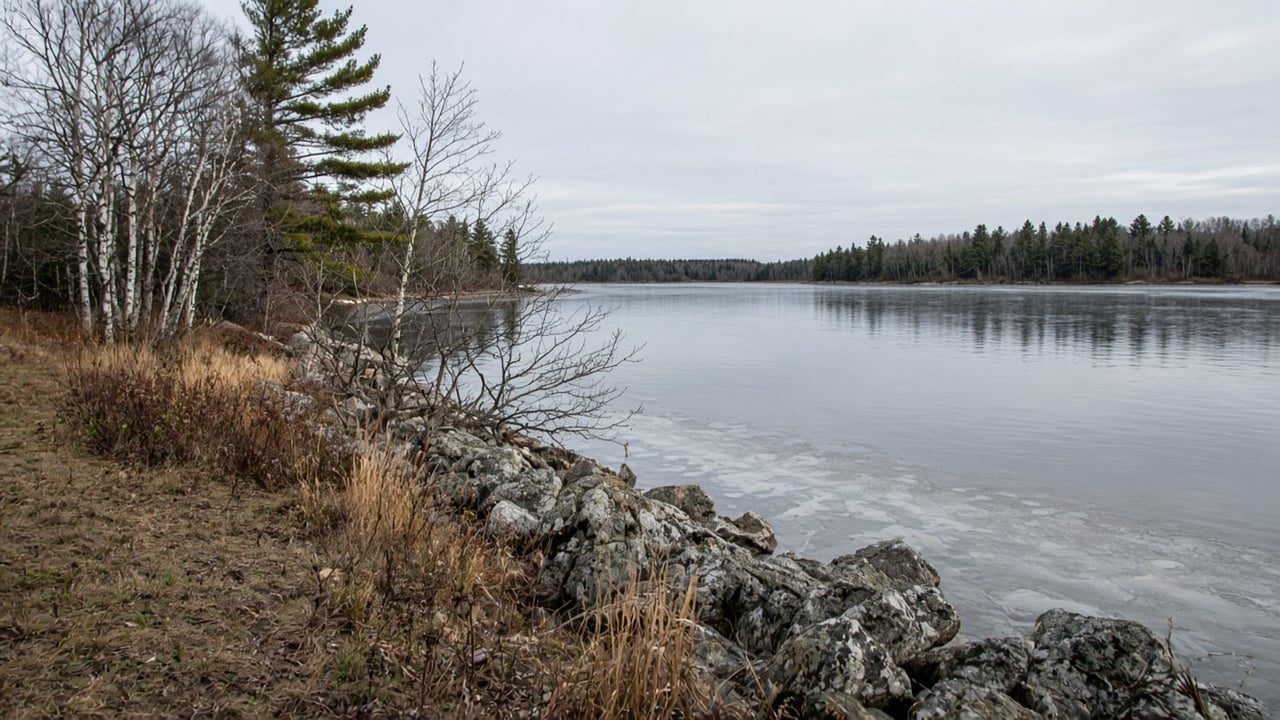
Shoreline Erosion on Brainerd Lake Homes: What Buyers and Sellers Should Check
November 15, 2026
November 15, 2026
Most people look at a lake home from the road, then from the living room window, then from the end of the dock. Very few look closely at the strip of ground where the yard meets the water.
That strip is where a lot of lake property value lives. It is also where problems tend to start quietly.
Here is the direct answer. Before you buy a lake home in the Brainerd Lakes Area, walk the shoreline and look for signs of erosion, check what kind of protection is in place, ask whether any work was permitted, and find out how the shore has held up through ice and high water. Sellers should gather the same history before listing, because a clear shoreline story makes buyers more comfortable.
A shoreline is not fixed. Waves, boat wakes, spring ice, runoff from the yard, and changing water levels all work on it every year.
On some lots, that work is barely noticeable. On others, it slowly eats into the bank, undercuts trees, loosens retaining walls, and sends soil into the lake. Over time that can change how usable the frontage is, how the dock sits, and what it will cost to repair.
Erosion also affects the lake itself. Soil washing into the water can cloud the shallows and feed weed growth. Many lake associations in the area care a great deal about this, and so do neighbors.
You do not need to be an engineer to spot the common warning signs. Walk the full width of the frontage, not just the path to the dock.
Look for a bank that drops off sharply with bare soil showing. Look for exposed tree roots along the water's edge, or trees leaning toward the lake. Look for gullies or channels where rainwater runs from the yard, roof, or driveway down to the shore.
Check any retaining walls or steps for leaning, bulging, cracks, or gaps. Look at riprap to see if rocks have shifted, slid into the water, or left soil exposed behind them. Notice whether the water near shore looks cloudier than it does farther out.
None of these automatically mean you should walk away. They do mean you should ask more questions and possibly bring in someone who works on shorelines for a living.
Natural vegetation. Native grasses, shrubs, and trees along the water hold soil with their roots and slow runoff from the yard. Many owners are moving toward this approach, and it often requires less upkeep than a lawn mowed to the water.
Riprap. Rock placed along the shore to absorb wave and ice energy. It is common on Brainerd area lakes, especially on shores that take heavy wave action. Done well, it can protect a bank for many years. Done poorly, it can shift and fail.
Retaining walls. Walls of timber, block, or stone are found on many older properties. They can look tidy, but they can also be expensive to maintain or replace, and wave energy that bounces off a wall can sometimes cause problems at its ends.
Combinations. Many lots use some mix, such as rock at the waterline with plantings above it.
The right approach depends on the lake, the slope, the soil, and how much wave and ice action the shore gets.
Often, yes, and this is where buyers and sellers should be careful.
Shoreline work in Minnesota can involve the Minnesota Department of Natural Resources, the county, and sometimes the local watershed district or city. Rules depend on the lake, the type of work, and where it happens relative to the water. Some projects may fall under general standards, while others need a permit before any work starts.
For buyers, it is worth asking whether past shoreline projects were permitted. For anyone planning new work, call the county and the DNR before hiring a contractor. Rules can change, and the details matter for each specific lake and lot.
If you have read our earlier post on shoreland rules, this is the shoreline cousin of that topic. Setbacks govern where you build. Shoreline protection rules govern what you can do at the water's edge.
Ice is one of the biggest forces acting on Minnesota shorelines.
As lakes freeze and thaw, ice can expand and push against the shore. On some lakes and some shorelines, that push builds up ridges of soil and rock and can damage docks, walls, and riprap. We covered ice ridges in their own post, and they are closely tied to erosion.
When you look at a shoreline, ask the sellers whether ice has pushed up the bank, moved rocks, or damaged walls in past years. Ask what repairs were made and when. A shoreline that faces open water across a wide stretch of lake can see very different ice action than one in a quiet bay.
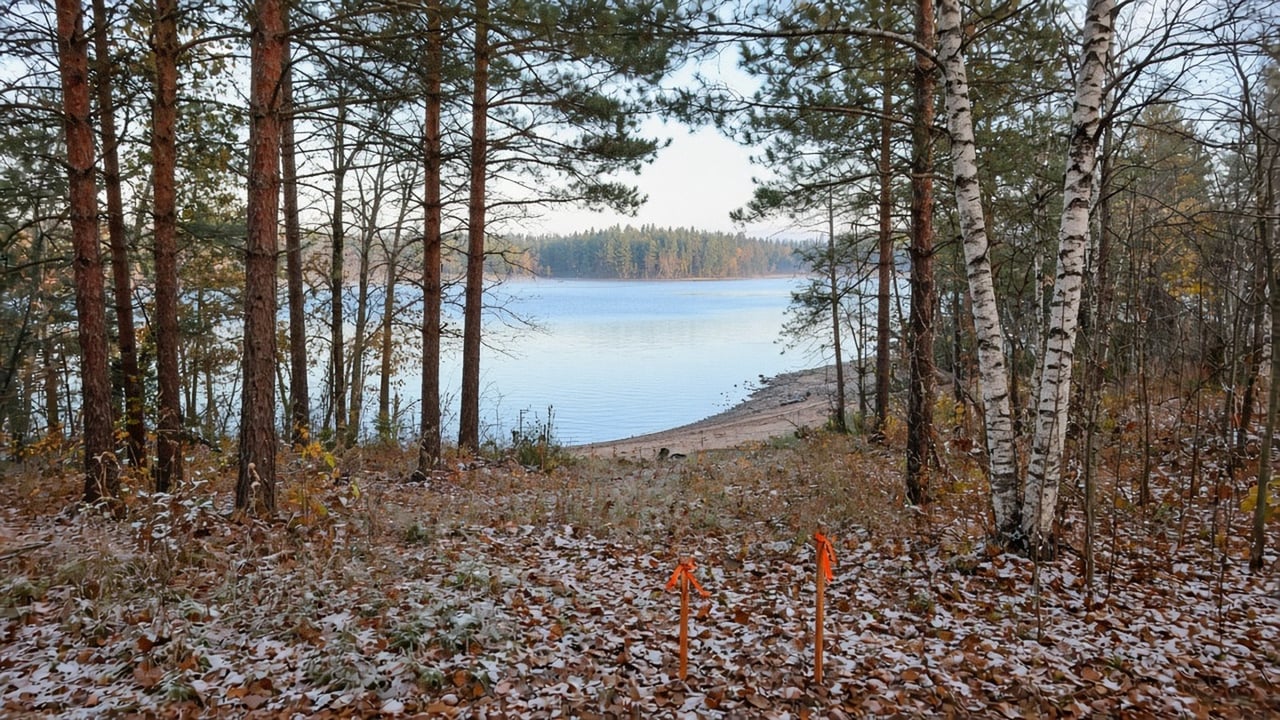
You can see a lot before the snow sticks. Late fall is actually a good time, because leaves are down and vegetation is thinner, so the bank is easier to see.
Once snow and ice cover the shore, inspection gets harder. In that case, ask the sellers for photos of the shoreline from other seasons. Many owners have plenty of summer pictures taken from the dock or a boat. Those can show the condition of the bank, the riprap, and the water near shore.
If you are buying in winter and have concerns, your agent can help you think through how to handle that in your purchase agreement, including timing for a closer look once conditions allow.
Ask how long they have owned the property and whether the shoreline has changed during that time.
Ask what protection is in place, when it was installed, who installed it, and whether a permit was involved. Ask whether there has been any ice damage, high water damage, or repair work.
Ask about drainage. Where does water from the roof, driveway, and yard go during a heavy rain? Runoff is a common cause of erosion that starts on land, not at the water.
Ask whether the lake association has any shoreline programs, guidance, or concerns. Some associations share information on restoration and native plantings.
Buyers will notice the shoreline. Being ready with answers helps.
Gather any records of shoreline work, including invoices, contractor names, and permits. Take clear photos of the shoreline in good conditions if you have not already. If you have had ice damage or repairs, write down what happened and what was done.
Walk your own shoreline with a fresh eye. Loose rocks, a leaning wall section, or a washout from a downspout are easier to address or explain before buyers find them.
Be accurate about the history. A shoreline that took some ice damage years ago and was properly repaired is not a red flag. An unexplained washout raises questions that slow a sale down.
We put the shoreline on the same checklist as septic, well, road access, frontage, and insurance. For buyers, that means walking the full frontage, asking the right questions early, and pointing you toward the county, the DNR, and shoreline contractors who can confirm the details. For sellers, it means gathering the records and photos buyers ask for, so your listing answers them before the first showing.
We work in Nisswa, Crosslake, Brainerd, Crosby, Deerwood, Baxter, Pequot Lakes, Breezy Point, Emily, Pine River, Aitkin, and the lakes in between. We have stood on a lot of banks with a lot of buyers, and we know what to look for.
Shoreline rules, permit requirements, and contractor costs vary by lake and change over time. Always confirm current requirements with the county and the Minnesota DNR for the specific property.
What are the signs of shoreline erosion on a lake lot? Common signs include steep banks with bare soil, exposed tree roots, trees leaning toward the water, gullies from runoff, shifted riprap, and leaning or cracked retaining walls. Cloudy water near shore can also be a clue.
Is riprap allowed on Brainerd area lakes? Riprap is common in the area, but whether a specific project is allowed, and whether it needs a permit, depends on the lake and the details of the work. Check with the county and the Minnesota DNR before starting.
Are natural shoreline buffers better than retaining walls? It depends on the property. Native plantings hold soil with their roots and slow runoff, and many owners find them easier to maintain. Some shorelines with heavy wave or ice action may also need rock. A shoreline professional can help match the approach to the site.
Can I check a shoreline when it is covered in snow? It is harder. Late fall, after the leaves drop and before snow sticks, is a good time to look. In winter, ask the sellers for photos of the shoreline from other seasons.
Does ice damage the shoreline? It can. Expanding ice can push up soil and rock, move riprap, and damage walls and docks. Shores exposed to wide stretches of open water often see more ice action than sheltered bays.
What shoreline records should sellers have ready? Invoices, contractor names, permits for past work, notes on any ice or high water damage and repairs, and clear photos of the shoreline in good conditions.
If the shoreline is on your list of questions, we can help you sort out the answers. Call or text Elevate Group at 218-821-3312, or visit brainerdlakeshomesearch.com to start your search.
Stay up to date on the latest real estate trends.
Whether you're buying, selling, or just exploring your options, Noah Goedker brings local insight and honest advice to every step of the process. Let’s move forward—together.