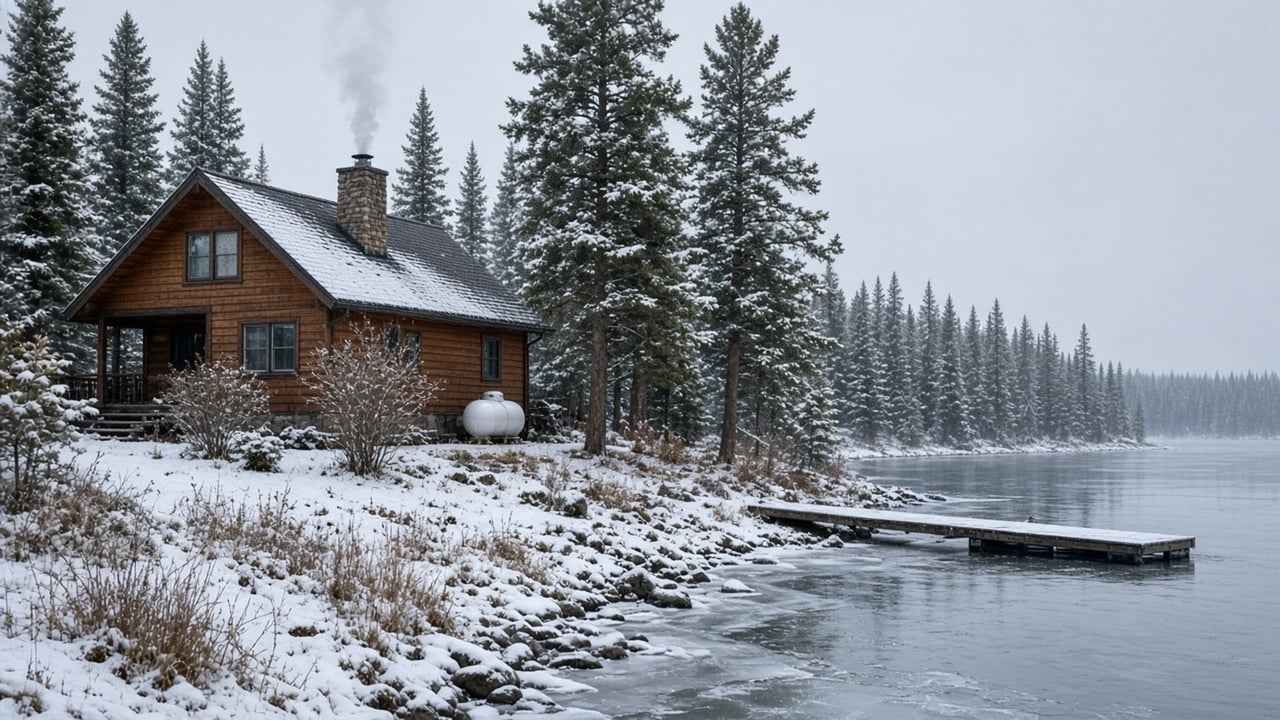
Heating a Brainerd Lake Home: What Buyers and Sellers Should Check
November 14, 2026
November 14, 2026
The first real cold snap of the season tells you a lot about a lake home. Some houses settle in and stay comfortable. Others start making noises their owners have never heard before.
Around Brainerd, that first cold week usually lands in November. It is a good time to talk about heat.
Here is the direct answer. Before you buy a lake home in the Brainerd Lakes Area, find out what fuel it uses, how old the heating equipment is, what it has cost to heat, and how the home is protected when nobody is there. Sellers should gather the same details before listing, because winter buyers ask about heat before they ask about the dock.
In town, heating is usually simple. There is a gas line in the street, a furnace in the basement, and a utility bill that looks about like the neighbor's.
Lake homes are different. Many sit on roads where natural gas has never been run. Some started as summer cabins and were added onto over the years, with heat added along the way. Some are used every weekend in January. Others sit empty for weeks at a time with the thermostat turned down.
That mix means two homes on the same lake can have very different heating setups, costs, and risks. You cannot assume. You have to ask.
Propane. Very common on lake property without natural gas service. The tank may be owned by the homeowner or leased from a propane company. That detail matters more than most buyers expect, because a leased tank usually means you buy fuel from that company, and switching providers can involve swapping the tank.
Natural gas. Available on some lake roads, especially closer to towns. Where it is available, buyers often see it as a plus. Where it is not, do not count on it arriving soon just because a neighbor mentioned it.
Electric heat. Baseboard heat, electric furnaces, and heat pumps all show up. Some local electric cooperatives offer special rates for certain electric heating setups. If a home has one of those programs, ask the seller how it works and confirm the details with the cooperative.
Wood. Wood stoves and fireplaces are part of lake life for a lot of people. They can be a great backup. They also bring insurance questions and maintenance, which we cover below.
Fuel oil. Less common than it once was, but still found in some older homes. If you see an oil tank, ask about its age, location, and condition.
Many lake homes use more than one of these. A propane furnace with a wood stove backup is a familiar combination around here.
Start with the basics, then get specific.
What is the main heat source, and how old is the equipment? Furnaces and boilers do not last forever, and replacement is a real cost you want to see coming.
When was it last serviced, and by whom? A record of regular service is a good sign. A long gap is worth a closer look.
Does heat reach every part of the house? Additions, porches converted to living space, and lower levels often run colder. Ask which rooms stay chilly in January.
What has it cost to heat? Ask for actual fuel or utility history, ideally a full year or two. Usage depends on how the home was used, so ask whether it was occupied full time, on weekends, or left at a low setting all winter. A weekend owner's bill tells you little about living there year round.
For propane, ask whether the tank is owned or leased, who the supplier is, whether there is an automatic delivery plan, and whether a fill is expected at closing. Your purchase agreement can address how fuel in the tank is handled.
A wood stove can make a cold Saturday feel like the whole reason you bought a lake home. It also deserves the same attention as any other system.
Ask when the chimney was last cleaned and inspected. Ask whether the stove was installed with a permit and whether clearances to walls and floors look right. Ask the seller if they use it regularly or just occasionally.
Then call your insurance agent early. Some insurers ask detailed questions about wood heat, and some have specific requirements. Learning that before you are under contract is much easier than learning it a week before closing.
This is the question that matters most for seasonal owners.
A lake home that sits empty in a Minnesota winter needs a plan. Some owners keep the heat on at a low setting all winter. Others fully winterize, which usually means draining the plumbing and shutting the water off. Both approaches can work. The trouble starts when a home is halfway between them.
Ask the sellers what they do in winter and who checks on the house. Ask whether there is a remote temperature monitor or alarm that sends an alert if the heat fails. These devices are inexpensive compared with the cost of water damage, and many owners consider them essential.
Ask whether there has ever been a frozen pipe or water leak, and how it was repaired. A past freeze is not necessarily a problem if it was fixed properly. Learning about it later is.
If you are buying a home that you plan to leave empty for part of the winter, think through who will check on it. A neighbor, a caretaker, or a local property service can be worth a lot in February.
Yes, and in some ways it is the best time.
A home inspector can run the furnace or boiler and see how it performs when it actually matters. You can feel which rooms stay warm and which do not. You can see whether the house holds heat or struggles.
For a closer look, many buyers bring in a heating contractor to service and evaluate the system before closing. It is a modest step that can answer questions a general inspection cannot. If a home has been winterized, plan ahead with the seller so water and heat can be safely turned on for inspection.
Buyers who shop in late fall and winter are often serious, and heat is near the top of their list.
Gather your service records, the age of the furnace or boiler, and any recent repairs or replacements. Pull together a year or two of fuel or utility history, and note how you used the home during that time so buyers can read the numbers correctly.
If you use propane, have your tank ownership and supplier details ready. If you have a wood stove, have the chimney inspected and keep the receipt. If you have a remote monitor, say so, and say whether it stays with the home.
Have the system serviced before you list. It is a small expense, it reduces surprises during inspection, and it lets you speak about the system with confidence.
Be accurate about cold rooms or past freeze issues. Buyers will feel a chilly porch on the showing. A clear explanation from you is better than a question mark in their head.
We put heating on the same checklist as septic, well, shoreline, road access, and insurance. For buyers, that means asking the right questions early and pointing you toward the people who can confirm the answers. For sellers, it means gathering the records winter buyers ask for, so your listing answers them before the first showing.
We work in Nisswa, Crosslake, Brainerd, Crosby, Deerwood, Baxter, Pequot Lakes, Breezy Point, Emily, Pine River, Aitkin, and the lakes in between. We have walked plenty of homes on the first cold morning of the year, and we know what to listen for.
Fuel prices, utility rates, and cooperative programs change often. Always confirm current costs and terms directly with the supplier or utility for the specific address.
Is propane common on Brainerd area lake homes?
Yes. Many lake roads do not have natural gas service, so propane is a common choice for furnaces, boilers, water heaters, and fireplaces. Ask whether the tank is owned or leased, since a leased tank usually ties you to that supplier.
How can I estimate heating costs for a lake home?
Ask the seller for actual fuel or utility history covering a full year or more, and ask how the home was used during that time. A home kept at a low setting all winter will show very different usage than one lived in full time.
Does a wood stove affect homeowners insurance?
It can. Some insurers ask detailed questions about wood heat or have specific requirements. Talk to your insurance agent before you are under contract so there are no surprises near closing.
What is the best way to protect a vacant lake home in winter?
Either keep the heat on at a reliable setting with a remote temperature alert, or fully winterize by draining the plumbing and shutting off the water. Make sure someone can check on the home regularly. Avoid a setup that is only partly winterized.
Can a heating system be inspected in winter?
Yes. Winter is a good time to see how a furnace or boiler performs under real conditions. Many buyers add an evaluation by a heating contractor to the general home inspection.
Should sellers service the furnace before listing?
It is a good idea. A recent service record helps buyers feel confident, reduces inspection surprises, and gives you clear information to share about the system.
If heat is on your list of questions, we can help you sort out the answers. Call or text Elevate Group at 218-821-3312, or visit brainerdlakeshomesearch.com to start your search.
Stay up to date on the latest real estate trends.
Whether you're buying, selling, or just exploring your options, Noah Goedker brings local insight and honest advice to every step of the process. Let’s move forward—together.