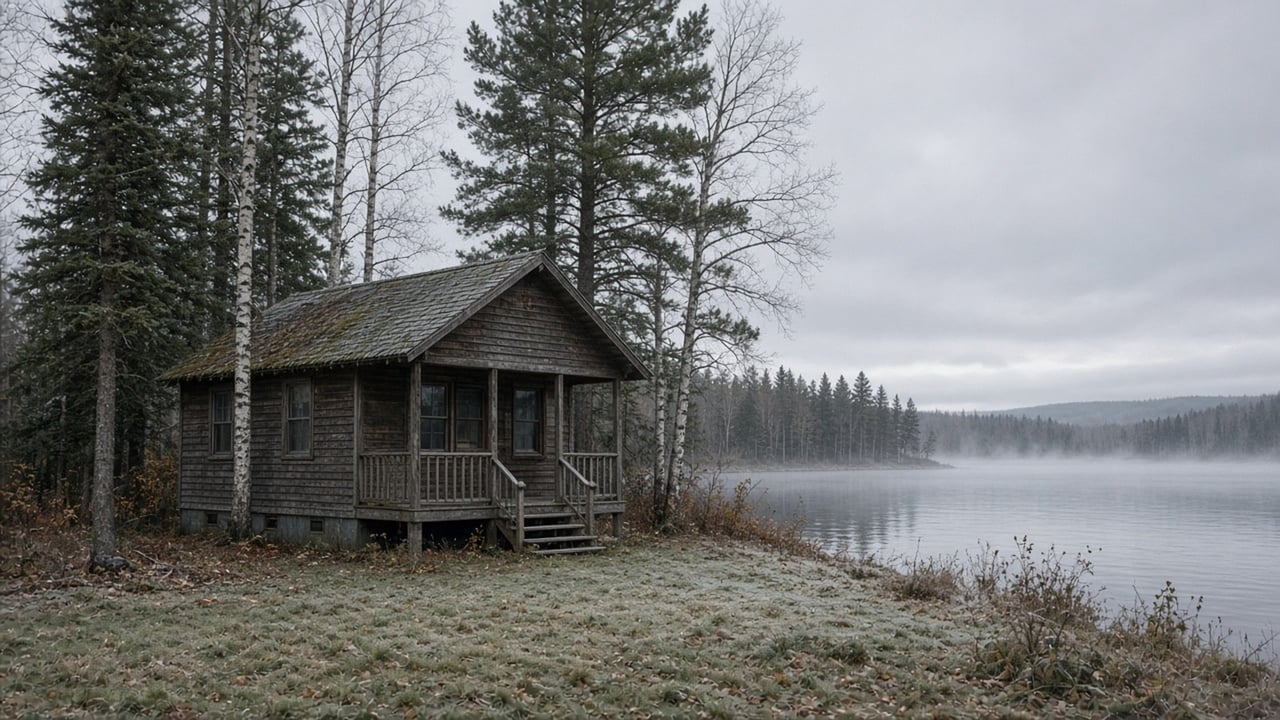
Moisture and Mold in Brainerd Lake Cabins: What Buyers and Sellers Should Check
November 19, 2026
November 19, 2026
You open the cabin door in May and the first thing you notice is not the view. It is the smell.
Most people call it the cabin smell and move on. Sometimes that is all it is. Sometimes it is the house telling you that water has been getting in somewhere for a while.
Here is the direct answer. Lake cabins around Brainerd tend to deal with more moisture than houses in town because they sit close to water, often have crawl spaces, and may sit closed up for months. Buyers should look for signs of past or current water, ask how the cabin is closed and opened each season, and include a thorough inspection. Sellers should find and fix the source of any moisture before listing, not just clean up what it left behind.
Start with location. A cabin on Gull, Pelican, or a small lake near Emily sits near water, often on a lower part of the lot, with a water table that can be close to the surface in spring.
Then add how the place is used. Many cabins are closed for long stretches. No one is running the heat, cooking, or opening windows. Air sits still, and moisture that gets in has nowhere to go.
Construction plays a part too. A lot of older cabins in Crosslake, Nisswa, and around the Whitefish chain were built as summer places. Some have crawl spaces with bare dirt floors, limited insulation, or additions that were built over time by different hands. None of that is unusual. It just means moisture is worth a closer look than it would be on a newer house in Baxter.
In our experience, a handful of spots tell you most of the story.
The crawl space or basement. This is the first place to look. Watch for standing water, damp soil, water lines on walls, rusted fasteners, or wood that looks dark or soft. A crawl space with no vapor barrier over the dirt is common in older cabins.
Under sinks and around the water heater. Slow leaks hide well in cabinets. Look for warped cabinet floors, stains, or a musty smell when you open the door.
Around windows and doors. Lakeside windows take a lot of weather. Peeling paint, soft sills, and stained trim can point to water getting past the frame.
Ceilings and the attic. Stains on the ceiling can come from a roof leak, an ice dam, or a bath fan that vents into the attic instead of outside.
Bathrooms. A small cabin bathroom with no exhaust fan can hold a lot of moisture after a few weekend showers.
Closets and corners on outside walls. Cold corners with poor airflow are where condensation tends to settle.
A musty smell means something is damp, or was damp long enough to leave a mark. It does not tell you how big the problem is.
Sometimes the cause is minor. A cabin that has been shut tight for a few weeks can smell stale until it airs out. Other times the smell points to ongoing moisture in a crawl space, wall, or under flooring.
The useful question is not "does it smell?" It is "where is the moisture coming from, and is it still happening?" An inspector can help answer that with a moisture meter, a look at the crawl space, and a review of grading and gutters. If there is visible growth or the source is unclear, you can ask about a specialist who focuses on moisture and indoor air.
We are not inspectors, and we do not diagnose mold. What we can do is help you notice the signs early and get the right people looking at them.
You will not catch everything on a showing, but you can catch enough to ask good questions.
Open closet and cabinet doors. Look up at ceilings. Go down to the basement or take a flashlight to the crawl space access if you can see in. Notice whether the cabin has dehumidifiers running, fresh paint in odd spots, or new flooring in only one room. Those things are not red flags on their own, but they are worth asking about.
Walk the outside. Check whether the ground slopes away from the foundation, whether gutters are attached and draining away from the house, and whether downspouts dump water right next to the walls. On sloped lake lots, water from the hill above can run toward the cabin during spring melt.
Then ask the seller, through your agent, a few plain questions:
Minnesota sellers fill out a disclosure statement, and those answers are a good starting point. Your inspection is what confirms them.
How a cabin spends the winter matters as much as how it spends the summer.
Some owners keep the heat on low all winter. Others drain the plumbing and shut everything off. Each approach has trade offs. A cabin that stays heated tends to see fewer freeze problems, but if the heat fails, pipes can burst while no one is there. A cabin that is fully shut down avoids that risk but can see more condensation and stale air when it warms up in spring.
Spring opening is when a lot of moisture issues show up. Snow melt, frost coming out of the ground, and rain all arrive at once. A crawl space that is dry in August can be wet in April.
If you are buying a seasonal cabin, ask how it has been handled through past winters and whether anyone checks on it while it sits empty. If you plan to use it year round, factor in what it might take to keep it dry and warm through a Brainerd Lakes winter.
If you know the cabin has had moisture issues, the best move is to deal with the cause before you list. Buyers and inspectors are going to look.
Start with the simple things. Clean and repair gutters. Extend downspouts. Regrade soil that slopes toward the foundation. Add or replace a vapor barrier in the crawl space. Make sure bath fans vent outside. Fix any active leaks.
If there has been visible growth, consider having it professionally assessed and addressed, and keep the paperwork. A receipt from a qualified contractor showing what was found and what was done carries more weight with a buyer than fresh paint ever will.
Be honest on your disclosure. Covering up a known moisture problem tends to come out during the inspection anyway, and it can end a deal or lead to bigger problems after closing.
Finally, air the cabin out before showings. Open windows when the weather allows, run a dehumidifier, and keep the heat at a steady temperature. You are not hiding anything by doing this. You are letting buyers see the cabin as it actually lives.
It can. A cabin with a dry, clean crawl space and a clear record of maintenance is easier to sell than one with water stains and no explanation.
Buyers tend to discount for uncertainty. When they cannot tell how big a problem is, they assume the worst and price that into their offer, or they walk. Documented repairs remove a lot of that uncertainty.
For buyers, a moisture issue does not always mean you should pass. Some problems have straightforward fixes. The key is knowing what you are dealing with before you are committed, so you can negotiate, plan for the repair, or move on to the next property.
Water is the reason most of us want a lake home. It is also the thing a lake home has to be protected from.
If you are buying, look closely, ask direct questions, and let a good inspection fill in the rest. If you are selling, fix the source, keep records, and disclose what you know. Either way, the cabin that stays dry is the one that holds its value.
Is mold common in lake cabins near Brainerd? Moisture is a common concern in lake cabins because they sit near water, often have crawl spaces, and may be closed up for long periods. That does not mean every cabin has mold. It means moisture is worth checking closely during any purchase.
Will a home inspection find mold? A general home inspector will usually note visible signs of moisture or possible growth, along with conditions that can cause it. Many do not test for mold. If something looks concerning, you can ask about a specialist who focuses on moisture and indoor air quality.
What is the most common source of moisture in a lake cabin? In many cabins, it is the crawl space or basement, often tied to grading, gutters, a high water table, or a missing vapor barrier. Plumbing leaks, roof leaks, and poor bathroom ventilation are also common sources.
Should a seller fix moisture problems before listing? In most cases, yes. Fixing the cause and keeping receipts gives buyers confidence and can reduce surprises during inspection. Sellers should also disclose known issues honestly on the disclosure statement.
How should a lake cabin be closed for winter to limit moisture? It depends on the cabin and how it is built. Some owners keep low heat and a dehumidifier running, while others fully winterize the plumbing and shut down. Talk with a local contractor or your insurer about what fits your cabin, and have someone check on it while it sits empty.
Does a musty smell mean I should walk away? Not necessarily. A smell tells you something is damp or was damp. An inspection can help you find the source and decide whether it is a small fix or a larger issue before you commit.
If you want a second set of eyes on a cabin you are considering, or help getting your lake home ready to list, we are glad to talk it through. Call or text Elevate Group at 218-821-3312 or visit brainerdlakeshomesearch.com.
Stay up to date on the latest real estate trends.
Whether you're buying, selling, or just exploring your options, Noah Goedker brings local insight and honest advice to every step of the process. Let’s move forward—together.