Financing a Lake Home Near Brainerd: What Buyers and Sellers Should Know
November 18, 2026
November 18, 2026
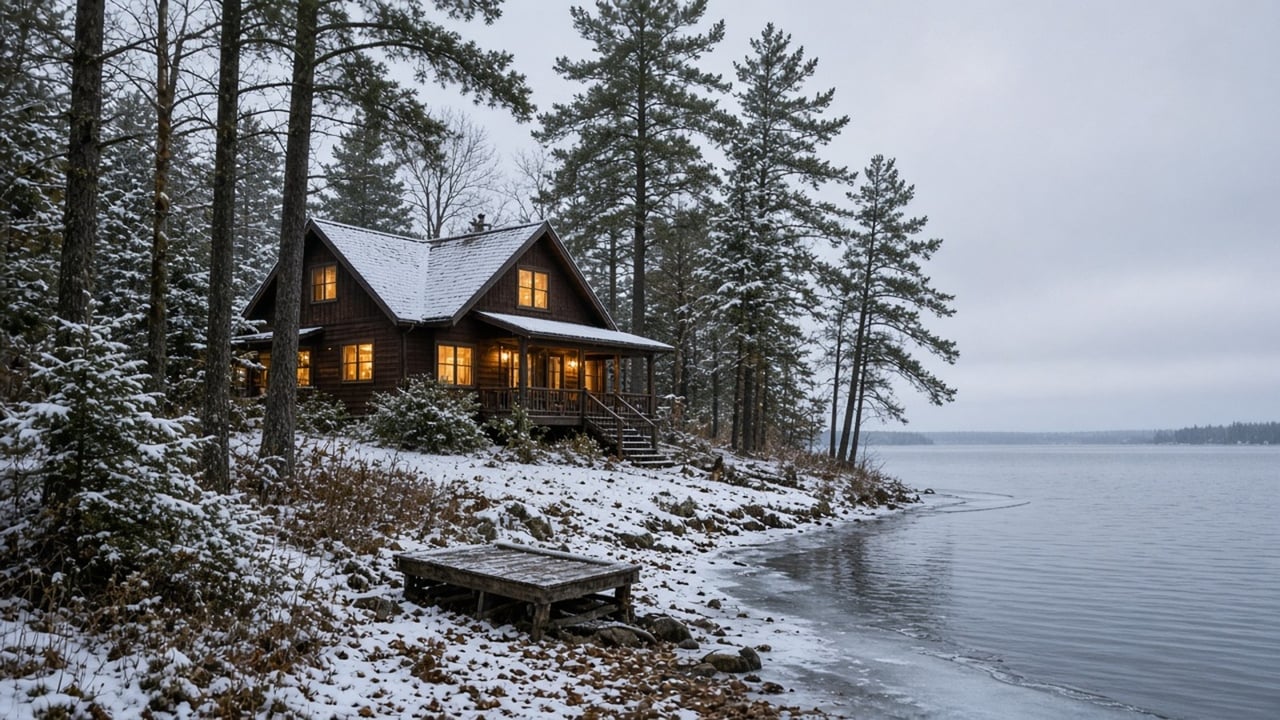
Most people shop for a lake home with their eyes. The shoreline, the view from the deck, the sound of the water at night.
The lender shops with a different set of eyes. It cares about how you plan to use the property, whether the home qualifies for the loan you want, and whether the appraisal supports the price.
Here is the direct answer. Financing a lake home around Brainerd usually comes down to three things: how the loan classifies the property (primary residence, second home, or investment), whether the home itself meets the lender's standards, and whether the appraisal lines up with the contract price. Buyers should get preapproved with a lender who knows lake property before they shop. Sellers should know which buyers can realistically close on their home.
A house in Baxter with a paved street, city water, and a furnace is easy for a lender to understand. A lake cabin on a gravel road with a private well, an older septic system, and a wood stove takes more explaining.
None of that makes a lake property hard to finance. It just means more of the details matter. Lenders and appraisers look at access, utilities, heat, and condition, and a lake home tends to have more of those details in play.
The good news is that most of these questions can be answered early. The buyers who run into trouble are usually the ones who find out late.
This is the first question a lender will ask, and the answer shapes everything that follows.
If you plan to live at the lake full time, the loan may be written as a primary residence. If you live elsewhere and plan to use the cabin yourself on weekends and in the summer, it is typically treated as a second home. If you plan to rent it out regularly, many lenders will view it as an investment property.
Each category can come with different down payment requirements, rates, and rules. Your lender will explain what applies to you. What matters on your end is being honest and clear about how you will actually use the place.
If you are thinking about renting the property part of the year, bring that up with your lender before you make an offer. It can change which loan fits, and it is much easier to sort out early than in the middle of underwriting.
Some lake properties fit standard loan programs without a second thought. Others raise questions.
Lenders and appraisers commonly look at whether the home has a permanent heat source, whether it is livable year round, whether it has safe drinking water and a working septic system, and whether there is legal, reliable access. A seasonal cabin with no insulation, a lake water system, or a road that is not maintained in winter may need a closer look or a different type of loan.
Condition matters too. Peeling paint, a failing roof, or an unfinished project can lead to repair requirements before closing.
If a buyer is looking at a seasonal cabin or a property that needs work, it is worth asking a lender early whether a standard loan will work or whether a portfolio loan, a renovation loan, or a larger down payment makes more sense. Local banks and credit unions around Brainerd sometimes have options for properties that do not fit a neat box.
Appraising a lake home is harder than appraising a house in a subdivision. No two shorelines are the same, and the things that drive value on the water are not always easy to compare.
An appraiser will look for recent sales of similar properties, and on the lakes that can mean adjusting for frontage, water quality, lot slope, the lake itself, and how the home sits on the lot. In slower seasons, there may be fewer recent sales to work with, which can make the job harder.
For buyers, the appraisal matters because the lender typically lends based on the lower of the price or the appraised value. If the appraisal comes in short, you may need to bring more cash, renegotiate, or walk away, depending on your contract.
For sellers, the appraisal matters because a price that cannot be supported can stall a sale with a financed buyer. Pricing a lake home with real comparable sales in mind protects you later in the process.
Start with a preapproval, not just a quick prequalification. A preapproval means a lender has reviewed your income, assets, and credit and is ready to explain what you can borrow.
When you talk to the lender, tell them you are looking at lake property. Ask a few direct questions:
Then plan for the costs that come with lake ownership. Insurance on a lake home can look different from insurance in town, and some properties have association dues or special assessments. Those numbers affect what a lender will approve, so it helps to know them early.
Most lake home buyers use some form of financing. That means the lender is part of your sale whether you like it or not.
A few things help a financed sale go smoothly:
When you review offers, look past the price. Ask what kind of loan the buyer is using, how strong their preapproval is, and how much room they have if the appraisal comes in low. A slightly lower offer from a well prepared buyer can be a better offer than a higher one that falls apart.
Some buyers pay cash for lake property, especially second home buyers who have sold another home. Cash can simplify the process, but buyers paying cash should still inspect the well, septic, and structure. The lender's checklist exists for good reasons.
Occasionally a seller is willing to carry financing, particularly on vacant lots or properties that are harder to finance conventionally. That arrangement can work, but it should be set up with an attorney and the right paperwork. It is not a handshake deal.
Some buyers also use equity from another home or a bridge loan to buy before they sell. Those approaches have their own risks, so talk through the timing with your lender and your agent before you commit.
We are not lenders, and we do not give financial advice. What we do is help you ask the right questions at the right time.
For buyers, that means pointing out the property details a lender or appraiser is likely to notice, building realistic timelines into your offer, and connecting you with local lenders who work with lake property regularly.
For sellers, it means gathering the documents that answer a lender's questions before they come up, pricing with the appraisal in mind, and helping you compare offers by how likely they are to close, not just by the number at the top.
We work in Nisswa, Crosslake, Brainerd, Crosby, Deerwood, Baxter, Pequot Lakes, Breezy Point, Emily, Pine River, Aitkin, and the lakes in between.
Loan programs, rates, lending requirements, pricing, and inventory change often. Always verify current details with your lender and the professionals working on your purchase or sale.
Can I get a mortgage on a lake cabin near Brainerd?
In many cases, yes. Year round lake homes often fit standard loan programs. Seasonal cabins, homes with lake water systems, or properties that need major work may need a closer look or a different type of loan, so ask a lender early.
What is the difference between a second home loan and an investment property loan?
A second home loan is generally for a property you use yourself part of the year. An investment loan is generally for a property you rent out. The terms can differ, so tell your lender exactly how you plan to use the property.
What happens if a lake home appraisal comes in low?
It depends on your contract. Common outcomes include renegotiating the price, the buyer bringing more cash, or the buyer canceling if the contract allows it. Talk with your agent about appraisal terms before you sign.
Do lenders care about the well and septic on a lake home?
Often, yes. Lenders and appraisers commonly want to know the home has safe water and a working septic system. Having inspection and compliance paperwork ready can keep a sale on schedule.
Should I get preapproved before looking at lake homes?
Yes. A preapproval tells you what you can borrow and makes your offer more credible to sellers. Tell the lender you are shopping for lake property so they can flag any issues early.
As a seller, how can I make my lake home easier to finance?
Have well, septic, heat, and roof information ready, keep access clear, and price with recent comparable sales in mind. Those steps help both the lender and the appraiser.
If you are starting to think about a lake home and want to talk through the process before you call a lender, we are glad to help. Call or text Elevate Group at 218-821-3312, or visit brainerdlakeshomesearch.com to start your search.
Stay up to date on the latest real estate trends.

Whether you're buying, selling, or just exploring your options, Noah Goedker brings local insight and honest advice to every step of the process. Let’s move forward—together.