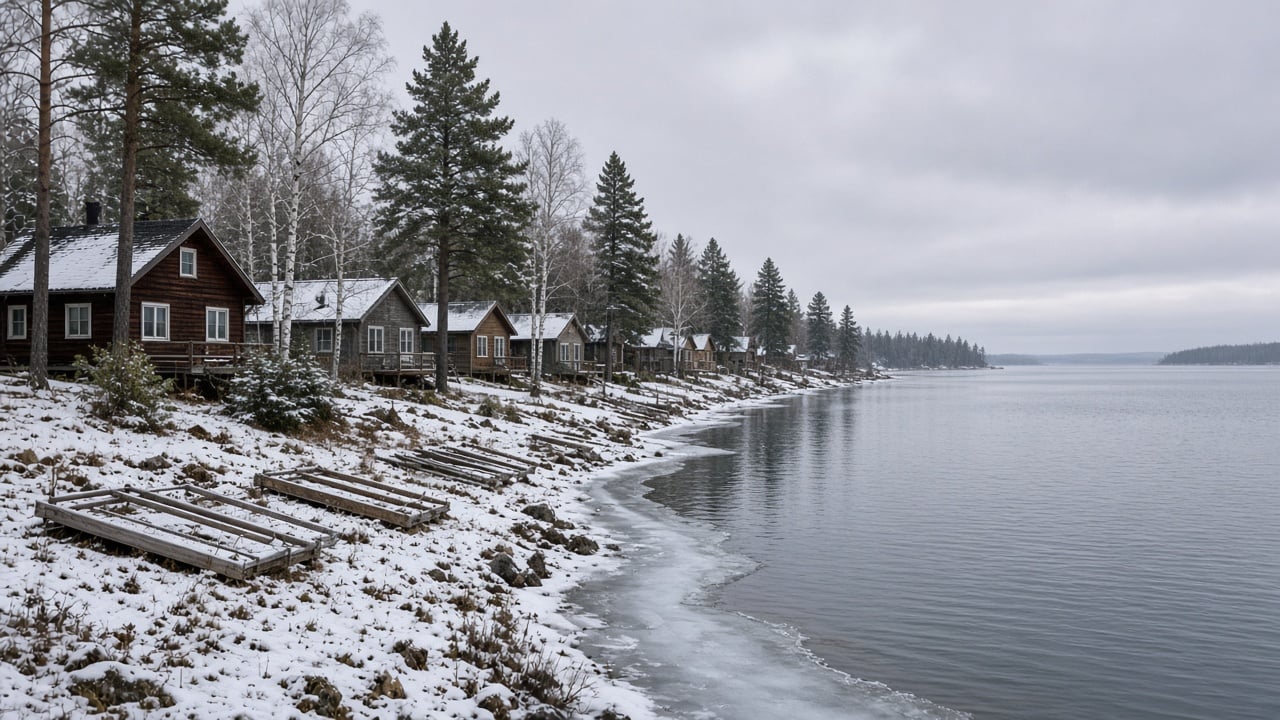
Property Taxes on Brainerd Lake Homes: What Buyers and Sellers Should Know
November 21, 2026
November 21, 2026
Most buyers look at the price, the payment, and the view. The property tax line usually gets a glance and a shrug.
That glance can be expensive. On a lake home around Brainerd, the tax bill you see on the listing may not be the tax bill you pay once the property is yours.
Here is the direct answer. Property taxes on a Brainerd area lake home are based on the county's estimated market value, the property's classification, and the levies set by the county, city or township, school district, and any special taxing district. The biggest surprise for many buyers is classification. A home taxed as a primary residence homestead can be taxed differently once it becomes a cabin or second home. Buyers should look past the current bill and ask what it will be under their own use. Sellers should have their tax history and any special assessments ready.
In Minnesota, the county assessor estimates a market value for each property every year. That value, combined with how the property is classified, sets its share of the local tax burden. The local levies then decide the total dollars collected.
So two lake homes with similar values can carry different tax bills. One might sit in a township with a lower levy. Another might be inside city limits or in a different school district. A lake improvement district or sewer district can add another layer.
Lake frontage tends to carry a lot of the value in the assessor's estimate. When lakeshore sells for more in a given area, assessed values on that shoreline often follow over time.
This is the question that matters most for lake buyers.
A homestead is a home the owner lives in as a primary residence and has applied for with the county. Homestead status generally brings a lower tax treatment than a second home of similar value.
A cabin used as a getaway is usually classified differently. In Minnesota, many seasonal lake properties fall under a seasonal residential recreational classification. Rental use and other uses can change the picture again.
Here is why that matters. If the seller lived in the home full time, the current tax bill likely reflects homestead treatment. If you plan to use it as a weekend place, your bill may go up once the classification changes. The reverse can also happen. A buyer moving up to the lakes full time may qualify for homestead on a property that was taxed as a cabin.
We always suggest a quick call to the county assessor's office with the parcel number and your planned use. They can explain how the property would likely be classified for you.
A few reasons come up again and again around the Brainerd lakes.
Classification changes. As covered above, your use may not match the seller's use.
Value changes. Assessed values are reviewed every year. A property that recently sold, or one in an area where lake prices moved, can see its estimated value adjusted.
New construction or improvements. A new garage, an addition, or a finished lower level that was recently completed may not be fully reflected in the current bill yet.
Special assessments. Road projects, sewer lines, or lake district charges can appear as separate line items. Some are paid over several years.
Timing. In Minnesota, taxes are assessed in one year and payable the next. The bill you see today reflects a value set earlier.
None of this is a reason to walk away from a property. It is a reason to ask good questions before you write an offer.
At closing, property taxes for the current year are typically prorated between buyer and seller. The seller covers their share of the year, and the buyer covers theirs. Your purchase agreement spells out how this is handled, and the closing company calculates the numbers.
Buyers using a mortgage will often have taxes collected into an escrow account with each payment. Your lender may estimate taxes using the current bill. If the bill changes after a classification switch, your payment can adjust the following year. Plan for that cushion.
Pending or levied special assessments are worth special attention. Ask who is responsible for them and get it in writing in the purchase agreement.
A short list goes a long way.
If you are buying a lake lot to build on, remember that the tax bill will change once the home is built and assessed.
Buyers ask about taxes more than most sellers expect. Having the answers ready keeps a deal moving.
Pull your recent tax statements and know your current classification. If you homesteaded the property, say so, and be clear that a buyer's bill may differ. List any special assessments, paid or pending, and any lake district charges.
If you made improvements without permits, talk with us before listing. Unpermitted work can surface during a sale and affect both value and timing.
Being upfront about taxes is not a weakness in a listing. It builds trust with buyers, and trust tends to show up in the offers.
Yes. Minnesota counties send a valuation notice each spring that shows the estimated market value and classification for the upcoming tax year. If you think the value or classification is wrong, the notice explains how to ask questions and when the review period runs.
The first step is usually a conversation with the assessor's office. Many issues are fixed there, such as wrong square footage or a structure that no longer exists. If that does not resolve it, there are local and county boards of appeal, and the Minnesota Tax Court beyond that. Deadlines matter, so act soon after the notice arrives.
A recent sale price, an appraisal, or a list of property issues can help make your case.
Rates vary across the Brainerd lakes area, and they change from year to year. A home on a lake near Nisswa may carry a different total rate than a similar home near Crosby, Emily, or Pine River, because the city or township, school district, and special districts differ.
That is why we avoid quoting a single rate for the whole area. Pricing, values, and levies change often, so any number should be verified with the county for the specific parcel you are considering.
When you compare two properties, compare the full picture. A lower price with a higher tax bill can cost more over ten years than the other way around.
Are property taxes higher on a lake home than a home in town? Often, because lakeshore tends to carry a higher market value. The total bill also depends on classification and local levies, so a direct comparison needs the parcel numbers.
Will my taxes go up if I buy a lake home as a second home? They can. If the seller had homestead status and you use the property as a cabin, the classification may change and the bill may rise. Ask the county assessor before you buy.
Can I homestead a lake home near Brainerd? If it is your primary residence and you apply with the county, you may qualify. The county assessor's office can confirm the requirements and deadline.
Who pays property taxes in the year I buy? Taxes are typically prorated at closing, with the seller paying for their portion of the year and the buyer paying for the rest. Your purchase agreement and closing statement show the details.
What are special assessments? They are charges for specific local projects such as roads or sewer, or lake district costs, added to a property's tax bill. Ask about paid and pending assessments before you write an offer.
How do I challenge my assessed value? Start with the assessor's office after your spring valuation notice arrives. If that does not resolve it, local and county boards of appeal and the Minnesota Tax Court are the next steps, each with deadlines.
Taxes are one piece of the full cost of a lake home, and they are easier to plan for when you know what to ask. If you are looking at a property around the Brainerd lakes, or getting ready to sell one, we are happy to walk through it with you.
Call or text 218-821-3312 or visit brainerdlakeshomesearch.com.
Stay up to date on the latest real estate trends.

Whether you're buying, selling, or just exploring your options, Noah Goedker brings local insight and honest advice to every step of the process. Let’s move forward—together.