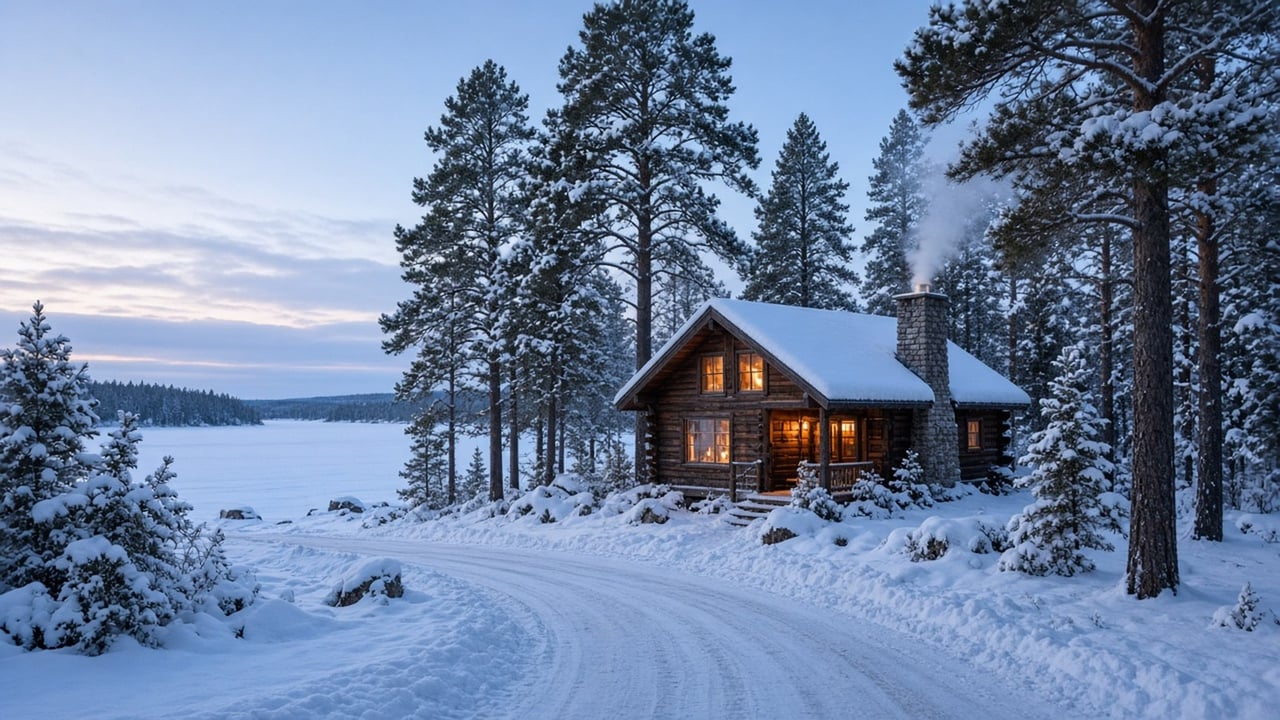
Seasonal Cabin or Year-Round Lake Home? How to Tell the Difference Around Brainerd
November 2, 2026
Two lake places can sit side by side on the same bay, share the same view and list at similar prices, and still be completely different properties in January. One is a cozy summer cabin that gets drained and shut every fall. The other is a home you could live in through a Minnesota winter without a second thought.
Listings do not always make that difference clear. Words like "cabin," "cottage" and "lake home" get used loosely. So let's walk through what actually separates a seasonal place from a true year-round home in the Brainerd Lakes Area, and why it matters whether you are buying or selling.
A year-round lake home is built and equipped to be lived in safely through winter. That usually means an insulated structure on a proper foundation, a reliable primary heat source, water lines protected from freezing, a septic system sized for full-time use, and a road that is maintained and plowed. A seasonal cabin is missing one or more of those pieces, and it is normally closed and drained each fall.
No single feature decides it. It is the combination that matters, and each piece is worth checking on its own.
Start with the walls, floor and ceiling. Many older cabins around Crosslake, Emily, Outing and Longville were built as summer places decades ago. Some have been upgraded well. Others still have thin walls, single pane windows or an uninsulated floor over a crawl space.
A few things to look at during a showing:
A cabin on posts with an open crawl space is a very different winter building than one on a poured or block foundation. Your home inspector can tell you a lot here, and the seller's utility history can tell you even more.
A wood stove or a few electric baseboard heaters can make a cabin comfortable on a cool September weekend. They are usually not enough to carry a building through a long stretch of below zero nights, especially if nobody is there to feed the stove.
Year-round homes in our area commonly run on propane or electric forced air, in-floor heat, or a heat pump with backup. Ask what the primary heat is, how old the equipment is, and whether there is a backup source. Ask for past propane and electric bills for the winter months. Those numbers tell you what heating actually costs on that property.
If you plan to leave the place empty for weeks at a time, ask whether there is a remote temperature monitor or low temperature alarm. Many owners consider that a must have.
This is where seasonal and year-round properties differ the most. Seasonal cabins often have a shallow well line, a lake water intake, or plumbing that runs through an unheated crawl space. Those systems get drained and blown out every fall for a reason.
On a year-round home, the well line, pressure tank and plumbing should be below the frost line or inside heated space. Ask the seller directly:
If the answer to the first question is "we drain it every October," you are almost certainly looking at a seasonal cabin, no matter what the listing calls it.
A septic system that works fine for summer weekends may not be designed for daily, year-round use. Septic design is generally based on the number of bedrooms and expected use, and older cabin systems sometimes predate current standards.
Ask for the most recent compliance inspection, the system design if the county has one, and pumping records. Counties in our area, including Crow Wing, Cass and Aitkin, have their own rules for when an inspection is required at sale and what happens if a system is found noncompliant. Requirements change and vary by situation, so confirm them early with the county and a licensed inspector. If you plan to add a bedroom or move in full time, ask how that would affect the system.
A beautiful lake home is not much use in February if you cannot reach it. Many lake properties sit on private roads, shared driveways or seasonal township roads.
Find out who maintains the road, who plows it, and who pays. Is there a written road maintenance agreement or an association that handles it? Is the road posted with seasonal weight limits in spring? Can a propane truck and an ambulance get in during winter?
We covered this in more detail in our post on road access for Brainerd lake homes, and it is worth a read if the property is on anything other than a county or city road.
It can. Lenders and insurance companies often look at a property's year-round livability when they decide how to treat it. Things like a permanent heat source, a foundation, a year-round water supply and road access can come up in an appraisal or an insurance application.
Some buyers learn late in the process that a cabin needs a different loan program, a larger down payment or a different insurance policy than they expected. Talk with your lender and insurance agent early, and tell them honestly how the property is built and how you plan to use it. Every lender and policy is different, so we always suggest getting those answers before your contingency dates are tight.
Often, yes. Plenty of buyers around Nisswa, Pequot Lakes, Breezy Point and Crosby buy a seasonal cabin on a great lot and improve it over time. The lot, the frontage and the view are the hard things to change. Insulation, heat and plumbing are fixable.
Before you count on a conversion, check a few things:
Get rough quotes from local contractors before you buy, not after. That way the price you offer reflects the real cost of getting where you want to go.
If you are selling, be clear about how the property has actually been used. Do you drain it every fall? Is the heat sized for winter? Does the road get plowed? Clear, honest answers help the right buyers find you and cut down on surprises during inspections.
It also helps to gather your records before listing: utility bills from winter months, septic paperwork, well records, any upgrades you have made, and photos of the property in different seasons. A seasonal cabin can be a very appealing listing. It just needs to be presented as what it is.
Start with how you plan to use the place. If you want a summer retreat and you are happy closing it up each fall, a seasonal cabin may be the better value and less work. If you see yourself ice fishing in January, spending holidays at the lake, or eventually retiring there, a true year-round home or a cabin with a realistic conversion path makes more sense.
Either way, the questions above will help you compare properties on more than price and frontage.
Is a cabin with a wood stove considered year-round? Not on its own. A wood stove can be a great supplemental heat source, but a year-round home usually needs a reliable primary heat system, protected water lines, a suitable septic system and winter road access as well.
How do I know if a lake cabin is drained in the fall? Ask the seller directly and ask for winter utility bills. Low or no winter usage, plus a fall closing routine, usually means the property is treated as seasonal.
Can I get a regular mortgage on a seasonal cabin? Sometimes, but not always. Lenders look at things like heat, foundation, water supply and access. Talk with your lender early about the specific property.
Is it expensive to convert a seasonal cabin to year-round? It depends on the structure, foundation, septic and zoning. Some cabins need only insulation and a heat upgrade. Others need much more. Get local contractor quotes and check with the county before you buy.
Do shoreland rules affect remodeling an older cabin? They can. Older cabins built close to the water may be nonconforming under current setbacks, which can limit expansion. Check with the county or city zoning office before you plan changes.
Whether you are looking for a summer cabin or a home you can live in year-round, we are happy to help you sort out which properties fit how you want to use the lake. Call or text Elevate Group at 218-821-3312 or visit brainerdlakeshomesearch.com to start your search.
Stay up to date on the latest real estate trends.
Whether you're buying, selling, or just exploring your options, Noah Goedker brings local insight and honest advice to every step of the process. Let’s move forward—together.