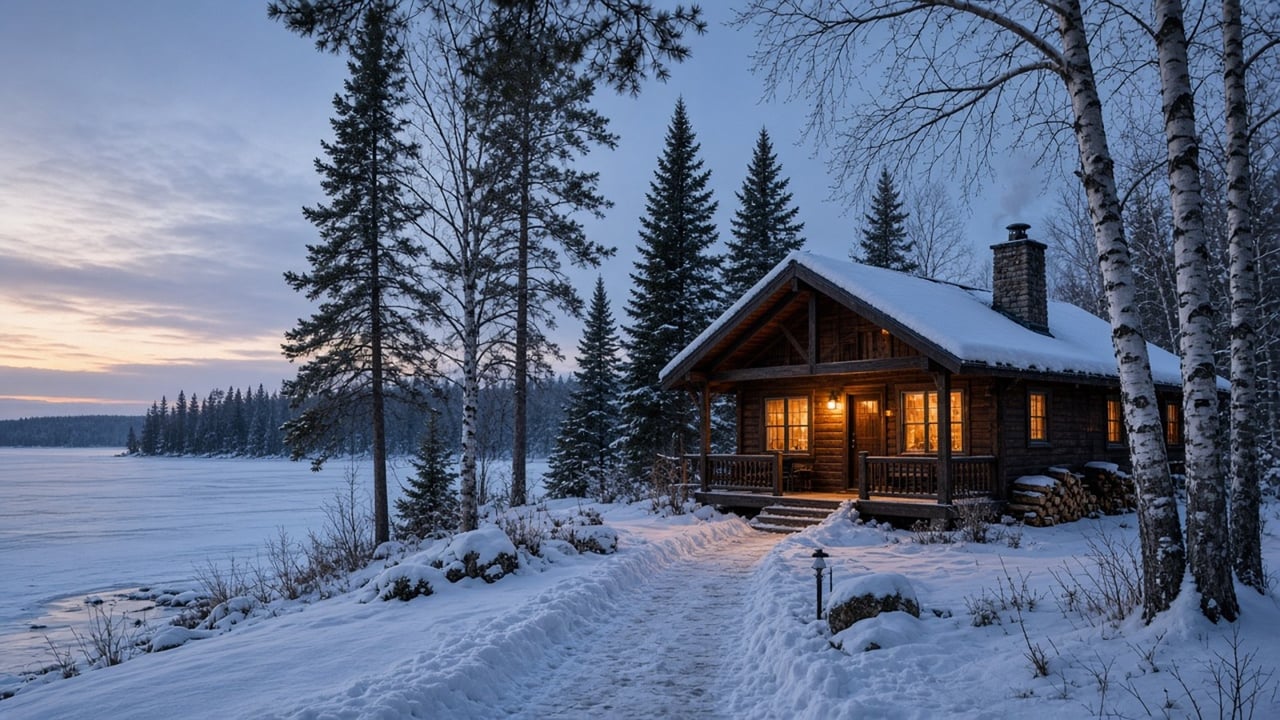
Listing a Brainerd Lake Home in Winter: What Sellers Should Do
November 23, 2026
Most people picture a lake home sale in June. Dock in, boat on the lift, kids on the swim raft.
But lake homes around Brainerd sell in December and February too. The buyers who show up in winter tend to be serious. They drove past snowbanks to see your place, and they are not doing it for the scenery on the drive.
The question is not whether a lake home can sell in winter. It is whether you can show buyers what they cannot see under the snow.
Here is the direct answer. Selling a lake home in winter near Brainerd works best when you price it to the current market, use good summer photos of the shoreline and water next to fresh winter photos, keep the driveway plowed and the home heated, and have the details buyers will ask about ready in writing. Winter buyers are often motivated, but they need more help imagining the lake.
Yes. Fewer listings come on the market in winter, and fewer buyers are out looking. That cuts both ways.
Less competition means a well prepared listing can stand out. Fewer casual buyers means the people who do book showings usually have a reason. Some are relocating for work. Some want to close before spring so they can use the place all summer. Some have been watching a particular lake for years and move when something comes up.
Activity changes from week to week and lake to lake, so before you list, we look at what is actually active, pending, and sold near you right now. That picture is worth more than any general rule about seasons.
Price it to the market you are in, not the market you remember from July.
Winter buyers compare carefully. They have time to study every listing on the lake, and they notice when a home has sat. A price that is a little ambitious in summer can turn into a long stretch of days on market in winter.
Our approach is to price just under market value and, when it makes sense, just under a common search bracket. A home listed at $399,900 shows up for buyers searching up to $400,000. A home at $405,000 does not. More eyes early gives you the best chance at strong offers and keeps the listing from going stale.
Pricing and inventory change often, so any number should be verified against current sales on your lake and nearby lakes before you commit to it.
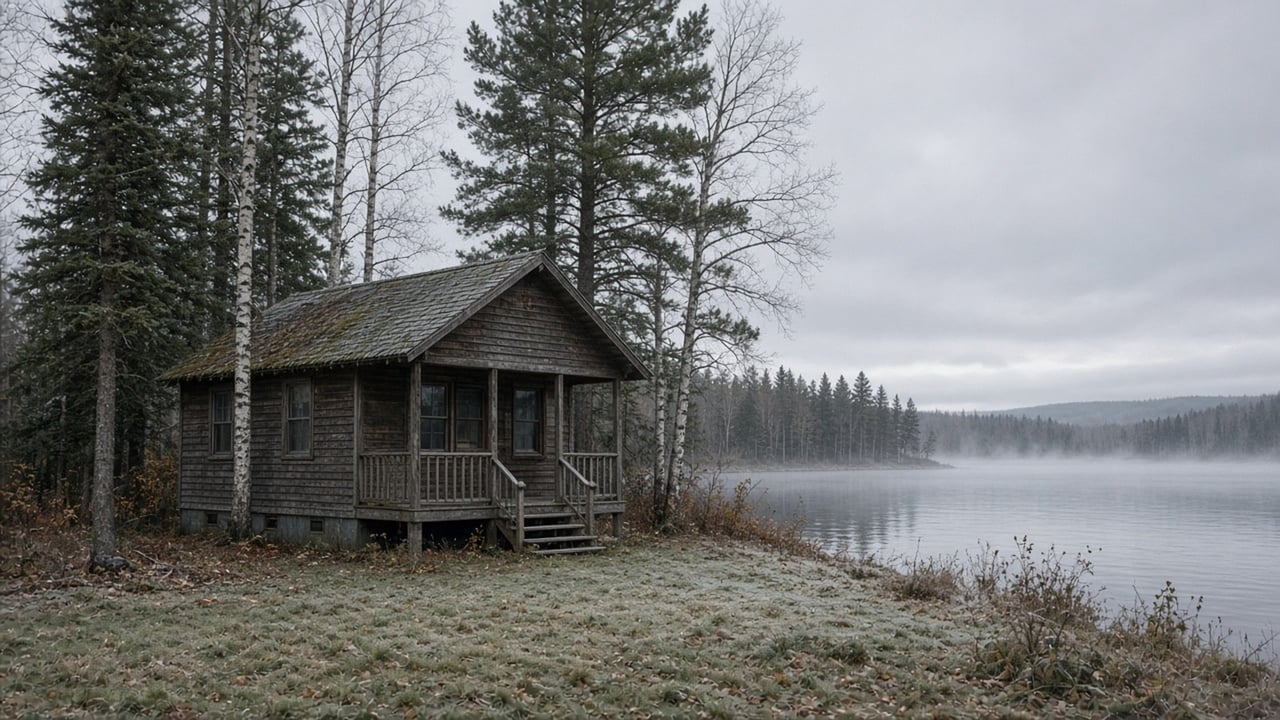
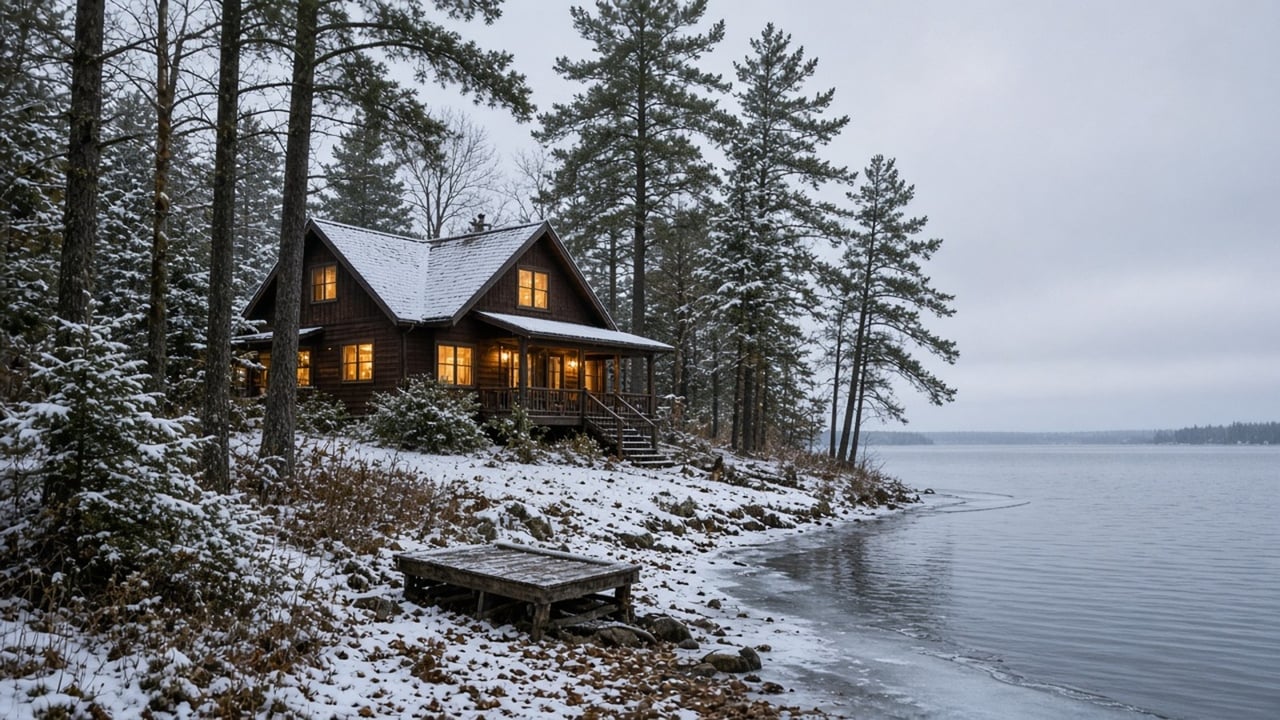
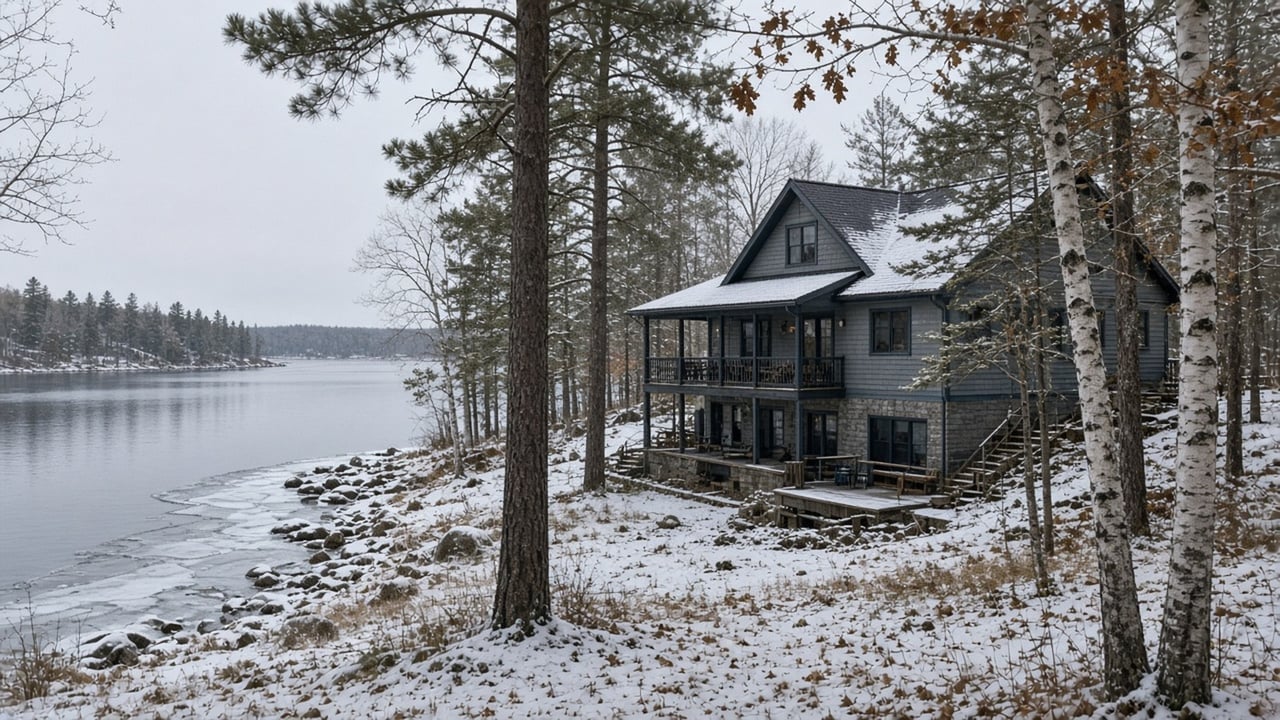
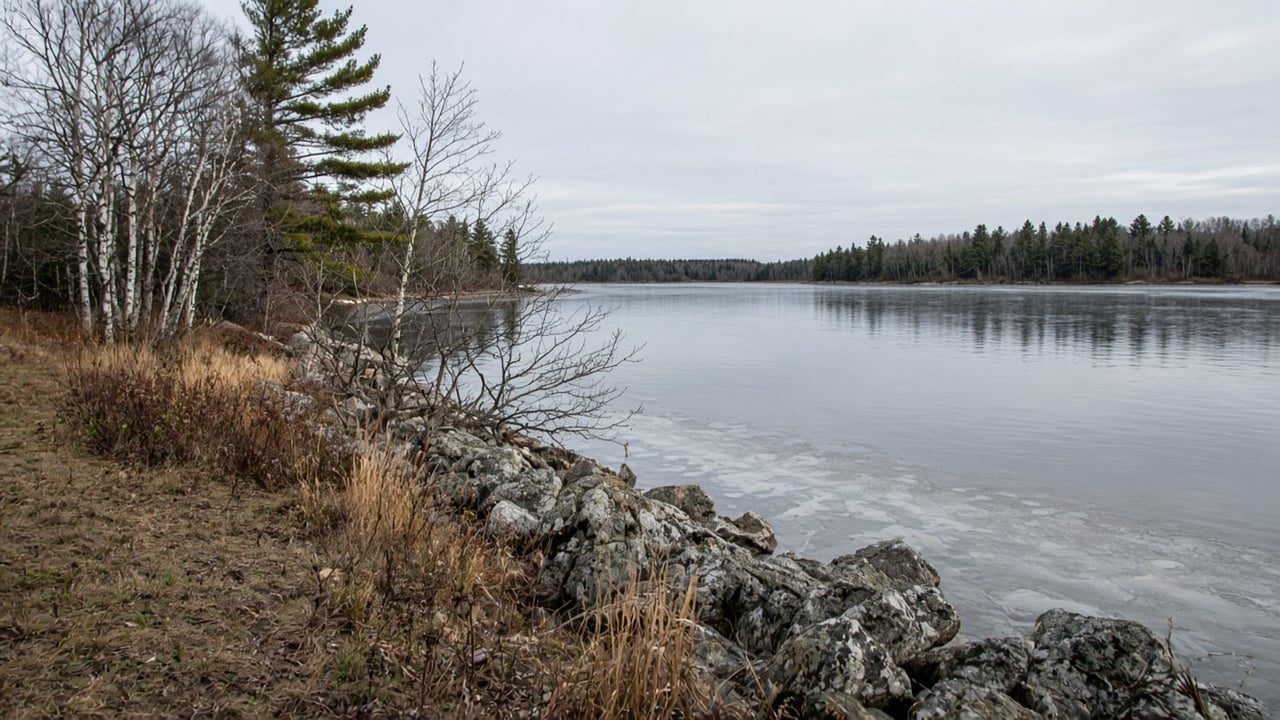
Buyers are buying the lake as much as the house. In January, the lake looks like a white field.
The best winter listings use both seasons:
Label seasonal photos honestly. If the dock and lift photos are from last summer, say so. Buyers appreciate it, and it keeps trust intact when they show up and the dock is stacked on shore.
If you do not have good summer photos, start looking now. Old family pictures from the deck, a drone shot a neighbor took, even phone photos of the water on a calm evening can help a buyer understand what they are looking at.
You tell the story the snow is hiding.
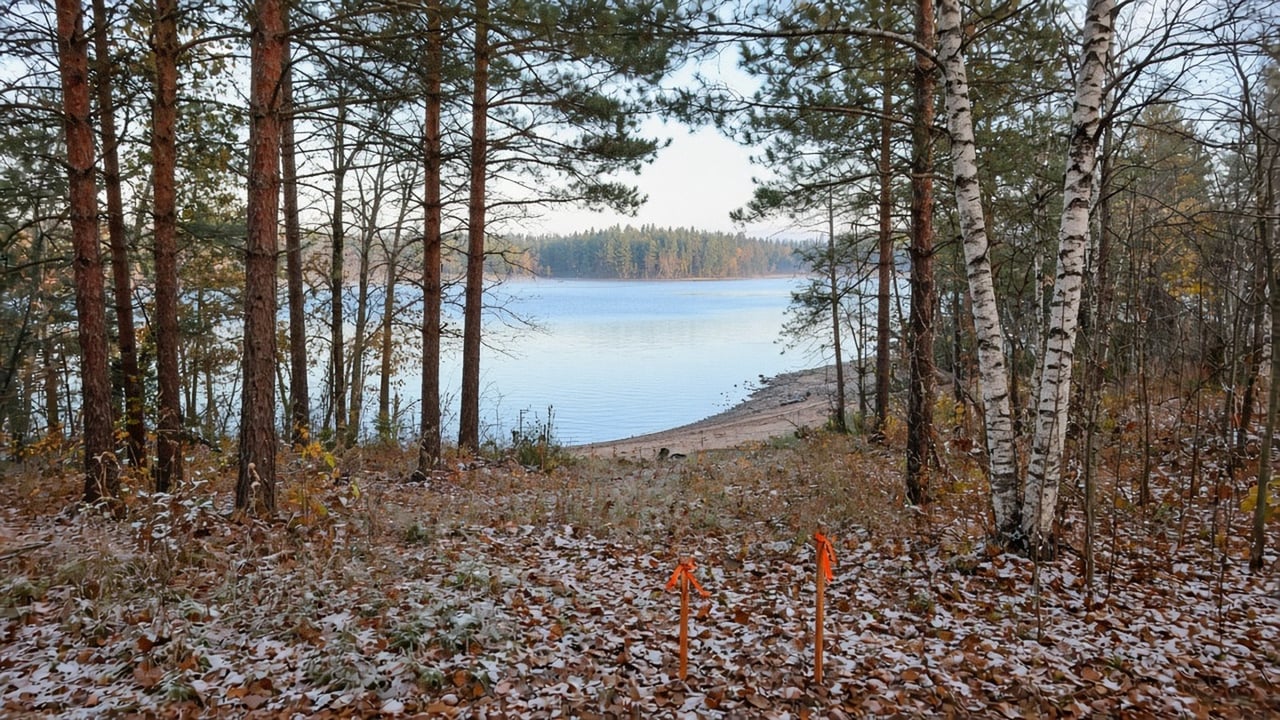
Write down what buyers would see in summer. Is the frontage sandy, rocky, or mucky? How deep does it get at the end of the dock? Is the shoreline flat or steep? Where does the dock go in, and who puts it in and takes it out each year?
A one page summary of the shoreline does a lot of work in winter. Include the frontage, the general water depth near shore, the bottom type, the dock and lift details, and any shoreline work done in recent years.
We also encourage sellers to be ready for buyers who want a spring look before closing, or who ask for a second visit once the ice is off. That conversation goes better when it is planned for than when it surprises everyone.
Winter showings make some things harder to see and other things easier.
Buyers can see how the home handles cold. They notice drafts, cold floors, frost on windows, and how hard the furnace is working. They see how the road and driveway are maintained and whether the snow gets plowed.
What they cannot easily see is the roof, the septic area, the lot slope, and the shoreline. So expect questions about all of them.
Have these ready:
The more you answer up front, the fewer reasons a buyer has to hesitate.
Treat the home like you live there, even if it is a seasonal cabin.
Keep the heat on at a comfortable level, not just high enough to keep the pipes safe. A cabin at 50 degrees feels damp and closed up, and buyers will remember that feeling more than the kitchen.
Keep the driveway and a path to the door plowed and shoveled. Clear the deck if you can safely do it, since that is where buyers will want to stand and look at the lake. Put down traction on steps.
Turn on lights before showings. Winter days are short, and a lot of showings happen in fading light. Warm lighting inside makes a big difference in how a lake home feels.
If the cabin has been winterized with the water off, talk with us before listing. Buyers and inspectors usually want to run water, flush toilets, and test the well. Plan for how that will happen without risking frozen lines.
Sometimes. It depends on your situation, not the calendar.
Waiting can make sense if the home needs work, if your best feature is a view that winter hides completely, or if you have no strong photos of the lake and cannot get them. Spring also brings more buyers into the market.
Listing in winter can make sense if you want to sell before the spring wave of new listings, if you have a reason to move on a timeline, or if your home shows well and is priced right. Some sellers also like the idea of being under contract before the busy season starts.
We are glad to walk through both paths with you. Often the right answer comes from looking at what is currently for sale on your lake and nearby lakes, and how long similar homes have been sitting.
If you are buying, winter can be a good time to look. Sellers who list in winter often have a reason, and you may face less competition.
Ask for summer photos and a shoreline summary. Ask about water depth, bottom type, and the dock. Drive the road at the time of day you would actually use it. Plan your inspection with the weather in mind, and ask what can and cannot be checked until spring.
If something important cannot be seen until the ice is off, talk with us about how to handle it in the purchase agreement before you sign.
Yes. Fewer homes are listed and fewer buyers are looking in winter, but the buyers who are active tend to be serious. A well priced, well prepared lake home can sell in any season around Brainerd.
Yes, as long as they are accurate and labeled honestly. Buyers need to see the shoreline, water, and dock area, which snow and ice hide in winter. Pair them with current winter photos of the home and driveway.
Price it to the current market, ideally just under market value and under a common search bracket when it fits. Winter buyers compare carefully and notice listings that sit. Verify any price against recent nearby sales, since the market changes often.
Snow and ice usually hide the shoreline, lake bottom, dock, septic area, roof, and lot slope. Sellers should have written details on these ready, and buyers should ask how to handle anything that cannot be checked until spring.
Yes. Keep the home at a comfortable temperature for showings, not just above freezing. A cold, closed up cabin feels damp, and buyers often remember that more than the finishes.
If you are weighing a winter listing or waiting for spring, we would be glad to look at your lake, your home, and the current market with you. Call or text 218-821-3312 or visit brainerdlakeshomesearch.com.
Stay up to date on the latest real estate trends.
Whether you're buying, selling, or just exploring your options, Noah Goedker brings local insight and honest advice to every step of the process. Let’s move forward—together.