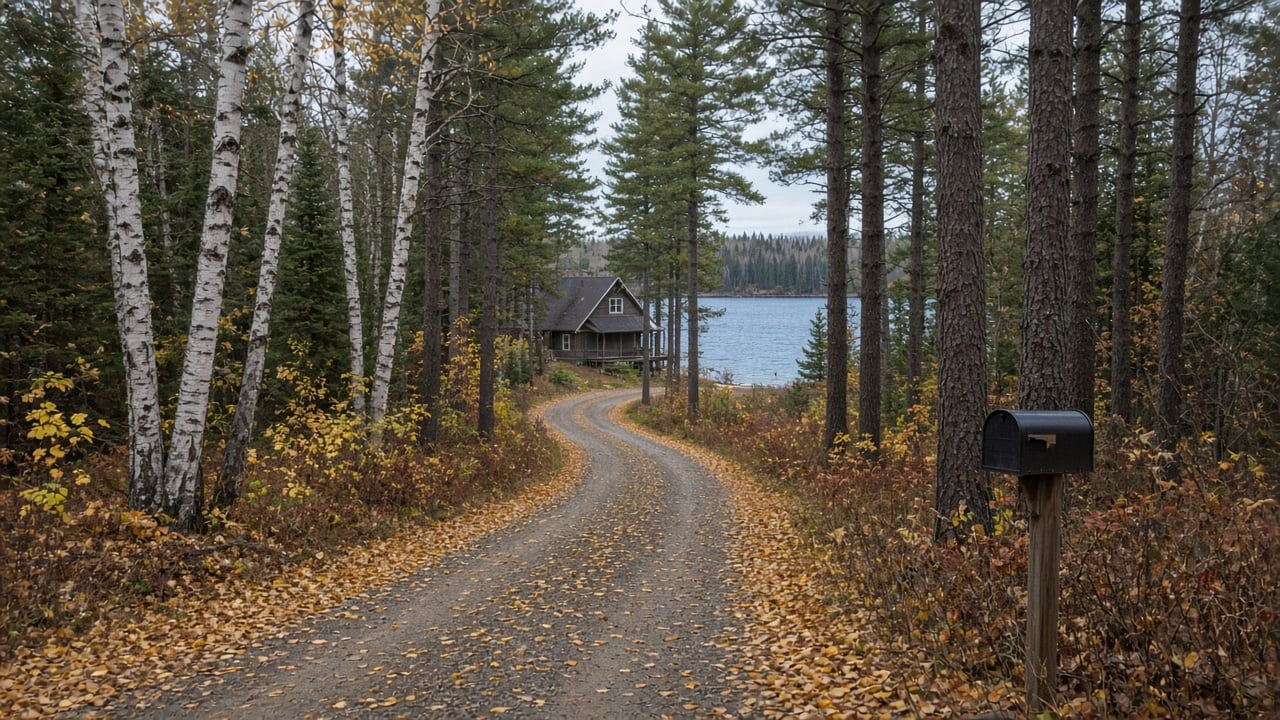
Road Access on Brainerd Lake Homes: What Buyers and Sellers Should Check
Noah Goedker October 31, 2026
Most people fall in love with a lake home from the water side. The view, the dock, the sunset over the bay. Very few people fall in love with the road in. But the road is how you get there every single time, in July and in January, and it shapes how a property lives, what it costs, and how easily it sells later.
Before you buy a lake home in the Brainerd Lakes Area, confirm who owns the road, who maintains it, whether it is plowed in winter, and whether there is a recorded easement or road agreement giving the property legal access. Then drive it yourself in bad weather if you can. A beautiful lot with unclear access or a costly shared road can turn into a long term headache.
That is the short answer. The rest of this post walks through what we look for when we help buyers and sellers around Nisswa, Crosslake, Breezy Point, Pequot Lakes, Emily, Crosby, and the rest of the lakes area.
In town, roads are rarely a question. The city owns them, the city plows them, and you never think about it. Lake country is different. Many lake homes here sit at the end of a township road, a county road, a private road shared by a handful of neighbors, or a long private driveway through the woods.
Each of those comes with a different set of answers to the same questions. Who fixes the washout after a spring storm. Who pays for gravel. Who plows after a foot of snow. Whether a fire truck or a septic pumper can actually get to the house.
None of this shows up in listing photos. It shows up the first winter you own the place.
A public road is owned and maintained by a government body, such as the county, the township, or a city. Maintenance standards and plowing schedules vary, but there is a public entity responsible for it.
A private road is owned by one or more private parties. Sometimes it is owned by an association. Sometimes each property owns the strip of road crossing their lot, and everyone has an easement to drive across it. Sometimes, especially on older cabin roads, the arrangement is informal and nobody has written anything down.
Private roads are common around the lakes and they are not a problem by themselves. Plenty of great properties sit on well run private roads. The question is whether the responsibilities are clear, recorded, and fair.
This is where a title company and, when needed, a real estate attorney earn their fee. Physical access and legal access are not the same thing. A gravel road might have been used for decades, but if there is no recorded easement, the right to use it can be less certain than buyers assume.
When we work with buyers, we ask early for:
The legal description and any recorded easements affecting the road.
Any road maintenance agreement or association documents.
The title commitment, reviewed with an eye on access.
If anything looks unclear, we recommend getting professional advice before you are past your contingency deadlines. Fixing an access issue before closing is far easier than fixing it after.
Ideally, a written road maintenance agreement answers this. A good agreement spells out how costs are split, how decisions get made, how money is collected, and what happens if someone does not pay.
Without an agreement, maintenance often falls to whoever cares most. That might be the neighbor with a plow on his truck, or a few owners who chip in each fall. It can work fine for years and then fall apart when a property changes hands or one owner disagrees about a big repair.
Questions worth asking the seller or the neighbors:
How much did each owner pay last year for gravel, grading, and plowing?
Has there been any major repair, like a culvert replacement or washout?
Is there an association, and does it collect dues?
Are any big projects coming up?
Ballpark answers are fine. You are trying to understand the pattern, not audit the books.
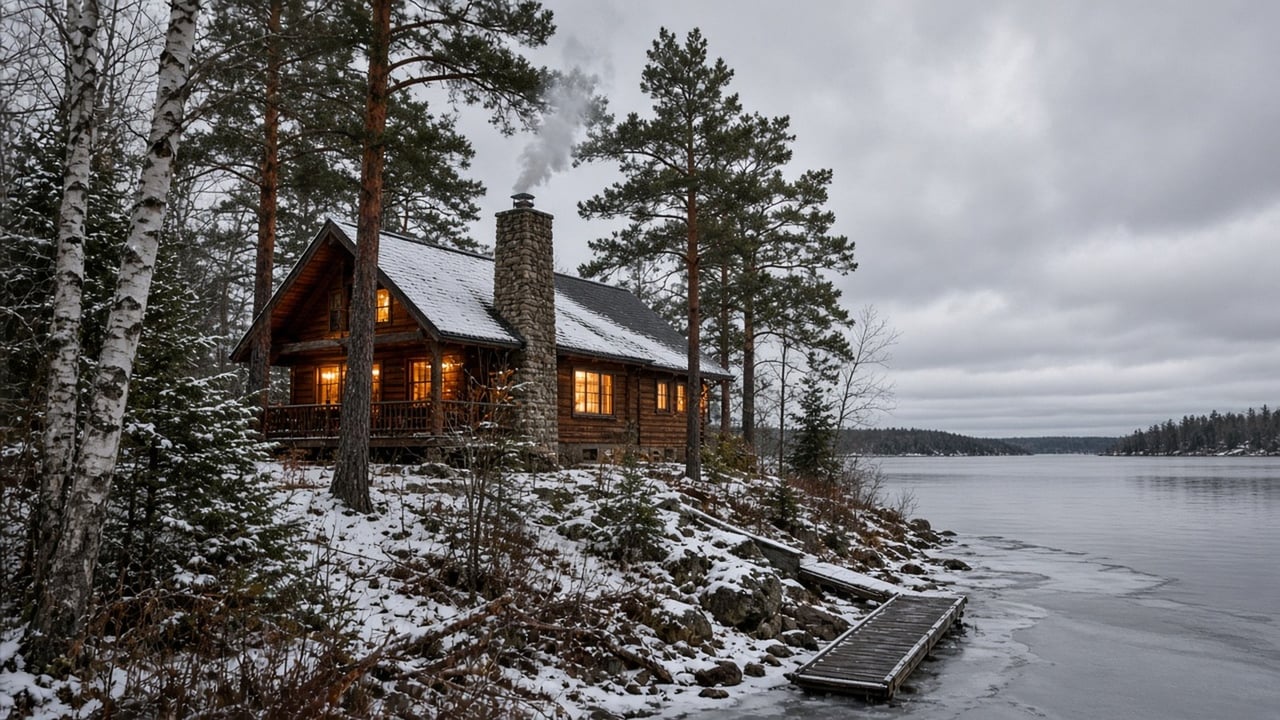
This one surprises out of area buyers more than anything else. Some lake roads are seasonal. Some are plowed only by private arrangement. Some get plowed, but late, and only after the main roads are done.
If you plan to use the home year round, work remotely from the lake, or rent it out in winter, plowing is not a detail. It decides whether the property fits your life.
Ask who plows, how it is paid for, and how quickly the road is usually cleared after a storm. If you are buying in summer, ask the neighbors what January looks like. Locals are usually happy to tell you.
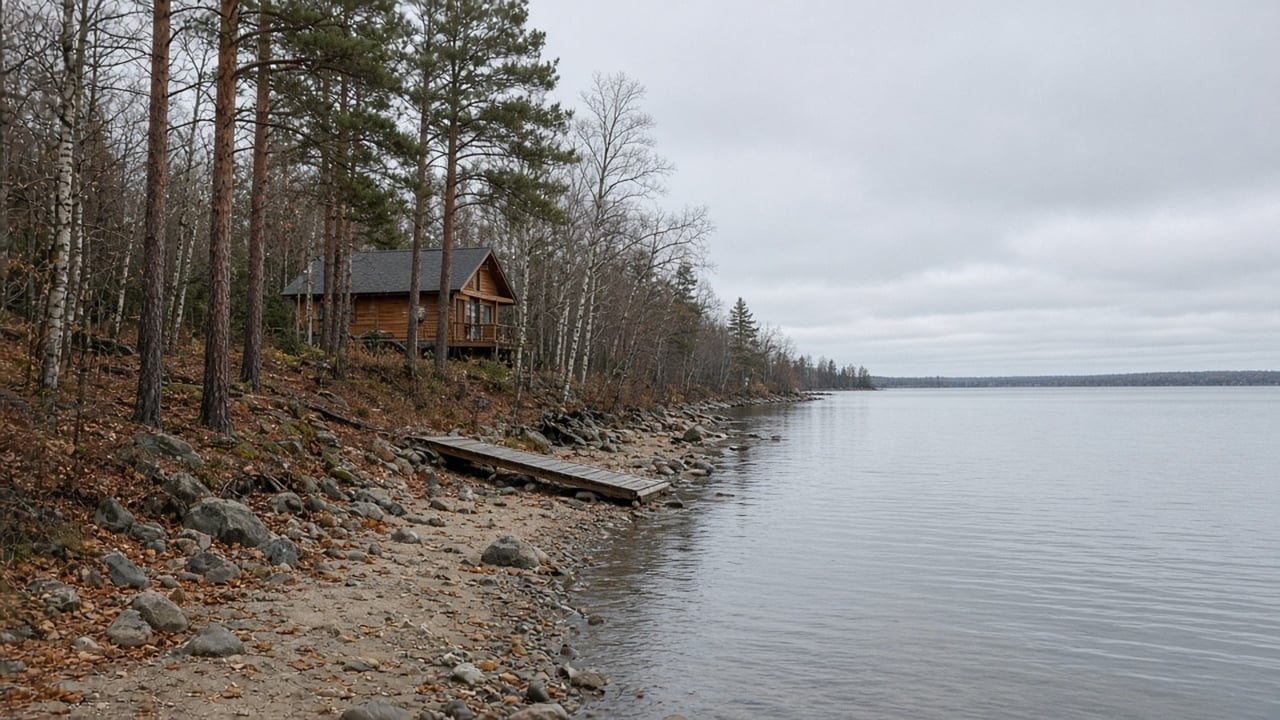
Many Brainerd area lake lots sit well above the water. That elevation can mean better views and drier ground, but it can also mean a steep driveway down to the house or garage.
A steep, north facing driveway can stay icy long after the road is clear. Think about how you, your guests, a delivery truck, a propane truck, and emergency vehicles will handle it in winter. Some owners solve it with a turnaround at the top, a heated section, or a plowing service that also sands. Those are all real costs worth knowing ahead of time.
Yes, in practical ways. Buyers compare properties side by side. When two homes on similar shoreline are close in price, the one with easy, plowed, year round access is usually the one that gets the showing first.
Lenders and appraisers may also look at access. Some loan programs care whether a property sits on a public road or has documented private access with a maintenance agreement. If the paperwork is missing, it can slow down a sale or narrow the pool of buyers. Any lending requirements should be confirmed with your lender, since programs differ.
That does not mean properties on private or seasonal roads do not sell. They do, often to buyers who want more privacy and fewer cars going by. It just means the right buyer needs clear information.
If you are selling a lake home on anything other than a plowed public road, a little preparation goes a long way. We suggest gathering:
Any recorded easement or road agreement.
A short summary of how maintenance and plowing work, and roughly what it costs each year.
Contact information for the person or company that plows.
Notes on any recent repairs or planned projects.
When buyers can see clear answers up front, they relax. When they have to dig for them, they start to worry, and worried buyers tend to offer less or walk away.
If your road arrangement is informal, talk with us before listing. Sometimes neighbors are willing to put a simple agreement in writing, which can make the property easier to sell.
Every area has its own mix. Some lakes are lined with homes on county roads with steady plowing. Others, especially quieter chains and smaller lakes farther out toward Emily, Outing, Longville, or the Whitefish area around Crosslake, have more private roads and long wooded driveways.
Rather than guessing, look at each property on its own. Two homes on the same lake can have very different access depending on which side of the lake they are on and how the road was originally built.
We have driven a lot of these roads, in a lot of weather. We know which questions to ask, which documents to request, and when to bring in a title professional or attorney. We also talk with neighbors, plow operators, and associations to get real answers instead of assumptions.
Our goal is simple. You should know exactly how you get to your lake home, every season, before you sign anything.
Can I buy a lake home on a private road in the Brainerd Lakes Area?
Yes. Many lake homes around Brainerd sit on private roads. The key is confirming recorded legal access and understanding who maintains and plows the road before you buy.
What is a road maintenance agreement?
It is a written agreement among property owners that explains how a shared private road is maintained, how costs are split, and how decisions are made. It is often recorded with the county.
Does the county plow private roads?
Generally, public crews maintain public roads, and private roads are maintained privately. Arrangements vary, so always confirm plowing directly with the seller, the association, or the local township or county.
Will a private road affect my mortgage?
It can. Some lenders and loan programs look for documented legal access and a maintenance agreement on private roads. Check with your lender early in the process.
What should I ask the seller about the road?
Ask who owns it, who maintains and plows it, what owners paid last year, whether there are recorded easements or agreements, and whether any major repairs are planned.
Is a seasonal road a deal breaker?
Not always. A seasonal road can work well for a summer cabin. If you plan to live there year round or rent in winter, make sure the access fits how you will use the property.
Whether you are buying or selling, we are happy to walk through road access, shoreline, septic, and everything else that comes with lake property. Call or text me at 218-821-3312 or visit brainerdlakeshomesearch.com.
Noah Goedker
Elevate Group | eXp Realty
Stay up to date on the latest real estate trends.
Whether you're buying, selling, or just exploring your options, Noah Goedker brings local insight and honest advice to every step of the process. Let’s move forward—together.