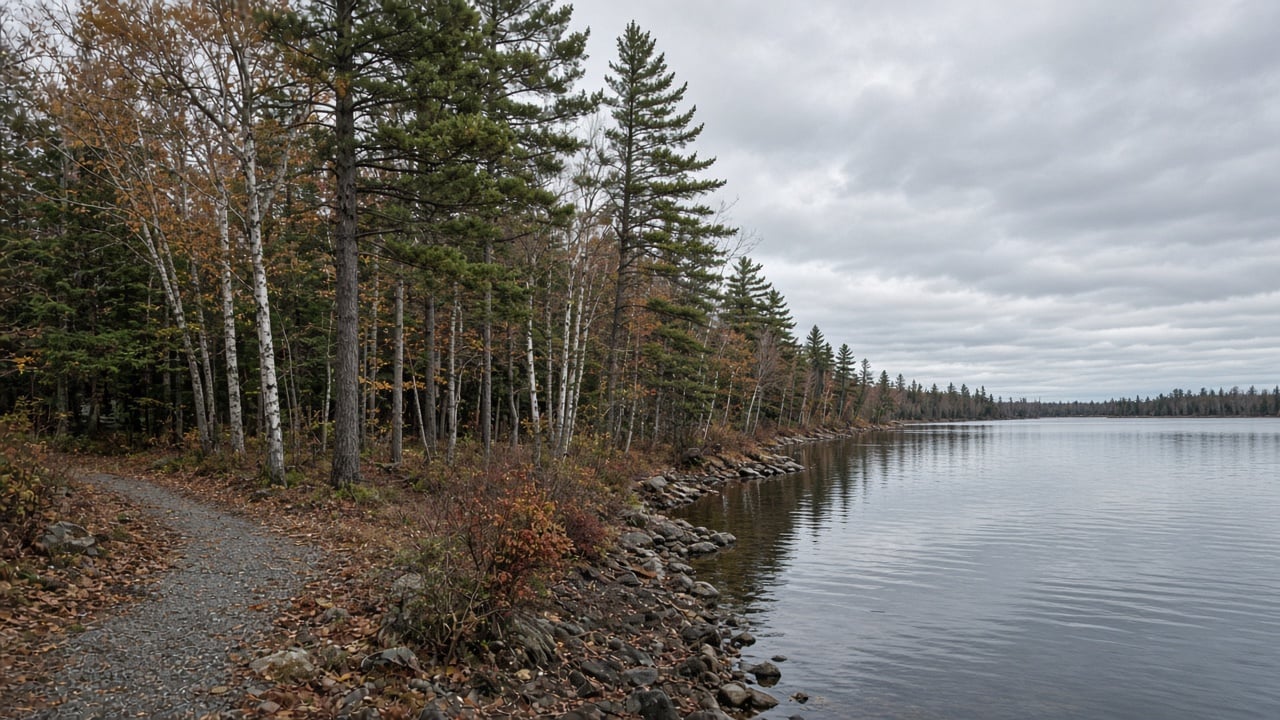
Privacy on Brainerd Lake Homes: What Buyers and Sellers Should Check
November 7, 2026
November 7, 2026
Two lake homes can sit on the same lake, with similar square footage and similar price tags, and feel nothing alike once you step outside. One is tucked behind trees, with neighbors out of sight and boat traffic a distant hum. The other has clear sight lines into the next deck, and every Saturday afternoon arrives with the sound of wake boats.
Here is the direct answer. Privacy on a Brainerd area lake home comes from lot width, vegetation, setbacks, shoreline layout, and how busy that stretch of water is. It shapes daily life and it shapes resale. Buyers should walk the lot, look both ways along the shore, and listen. Sellers should describe privacy honestly and show the features that create it. Pricing and inventory change often and should be verified with current local data.
Because lake living is outdoor living. You spend time on the deck, at the fire pit, on the dock, and in the yard. Indoor square footage matters. How exposed that outdoor space feels matters just as much.
Around Brainerd, Nisswa, Crosslake, Baxter, and Breezy Point, privacy varies widely even on the same lake. Gull Lake has busy corridors and quieter pockets. Smaller lakes can feel calm most days and still get weekend traffic near public accesses. Crow Wing County and Cass County shorelines include wide wooded parcels and older plats with tighter spacing. The lake name alone does not tell you how private a specific lot feels.
Privacy is also personal. Some buyers want full separation from neighbors. Others are fine seeing the next dock as long as the patio feels sheltered. Know which version you want before you fall for a listing photo.
Wider frontage and a deeper lot usually create more room between houses. That is the simplest privacy factor, and it is easy to miss when you are focused on the kitchen remodel.
On a narrow lot, even a well built home can feel close. Sound carries. Deck lights from next door show up. Boat trailers and outdoor gatherings sit nearer the shared line.
Wider lots give you options. You can place the house, garage, and outdoor living areas with more buffer. You can keep tree screens on the sides. You can have a conversation on the patio without feeling like you are broadcasting to the neighborhood.
Lot width is not the whole story. A wide lot with clear cut side yards can feel more open than a narrower lot with mature trees. Still, width is a strong starting filter when you compare properties.
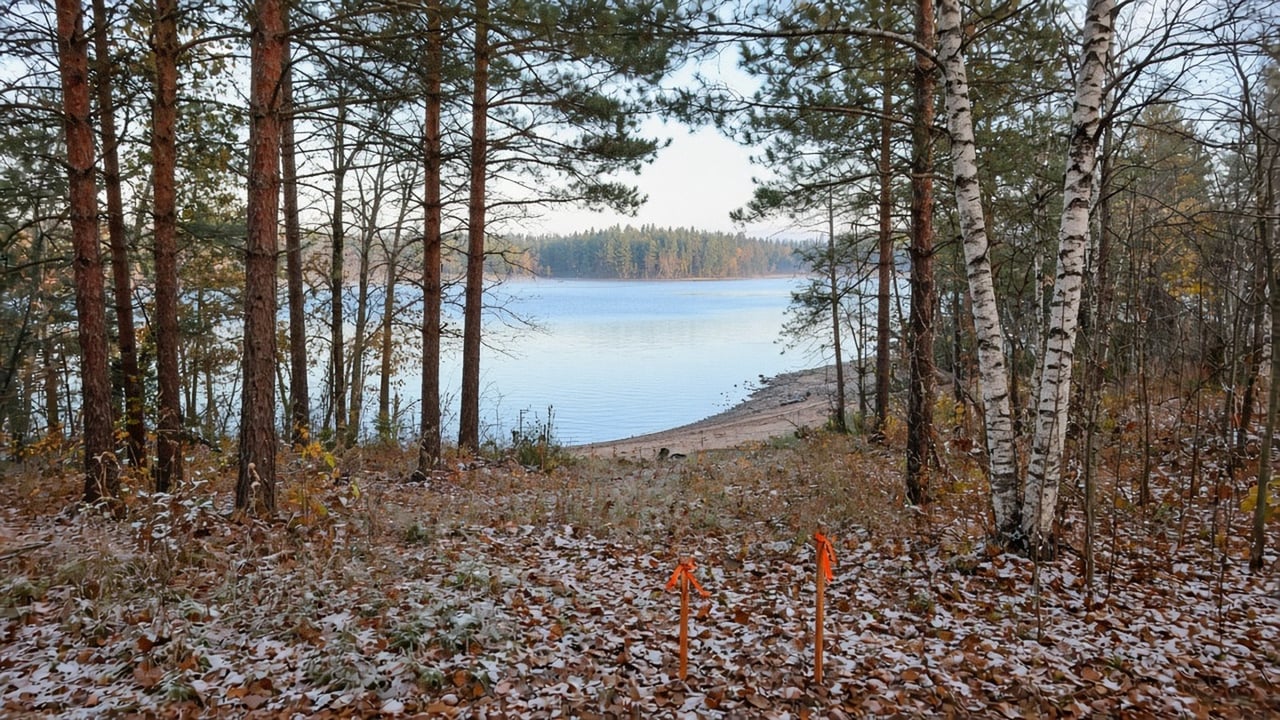
Tree screens are one of the most practical privacy tools on lakeshore. Mature pines, oaks, and mixed understory can block sight lines from the road, from neighbors, and sometimes from the water.
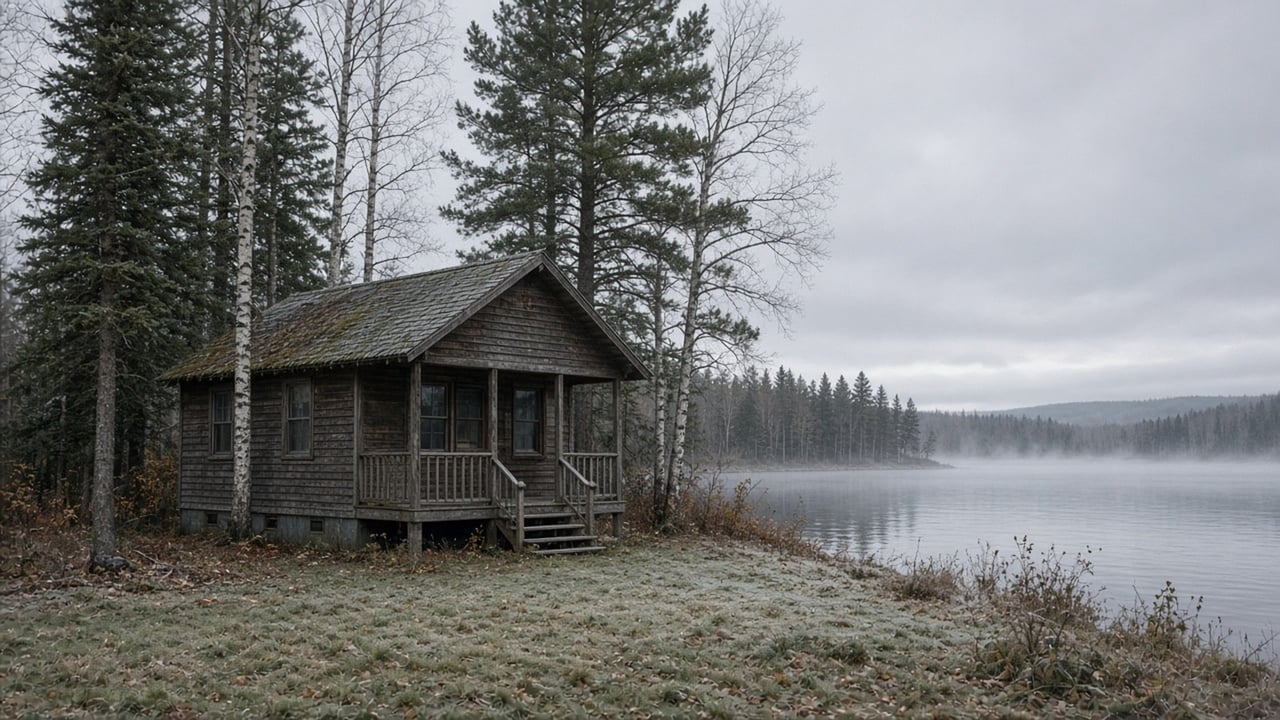
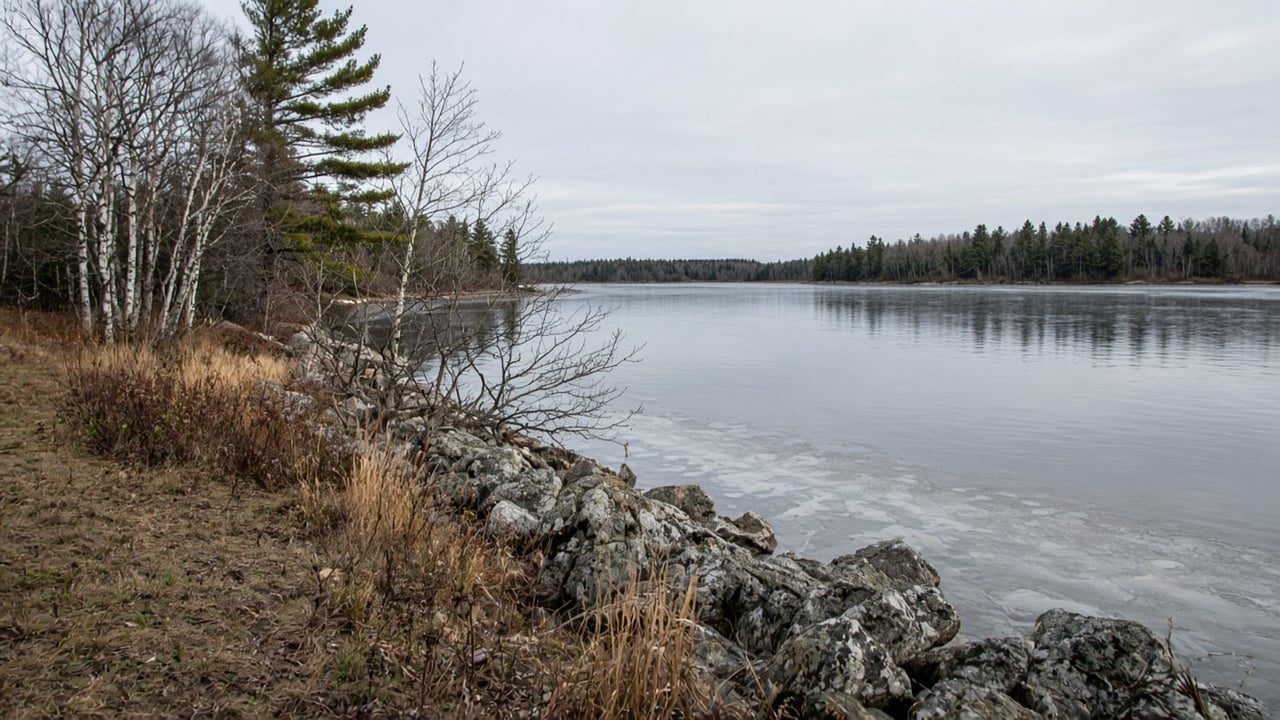
Buyers should notice what is living vegetation versus what is temporary. A seasonal screen of leaves looks different in November than it does in July. Conifers hold cover year round. Deciduous trees thin out after fall. If privacy from the road or from the side lot matters in winter, look at what stays green.
Sellers often undervalue existing vegetation. Clearing for a bigger lawn can open views and also open the property to neighbors and boaters. Shoreland rules in Crow Wing and Cass Counties also limit how much vegetation you can remove near the water. That means the tree screen you see today may be harder to recreate later than people expect.
Walk the side yards. Stand on the deck and look toward both neighbors. Then walk to the shoreline and look back at the house.
Privacy is not only visual. Sound matters, and on a lake the water carries it.
Busy channels, popular fishing spots, and stretches near resorts or public accesses tend to see more boat traffic. On a calm morning the same frontage can feel quiet. On a July Saturday it can feel like a parade.
Quieter bays and dead end lakes often feel more private even when homes sit relatively close. Open main lake frontage can feel exposed even on a larger lot if the water is a highway.
During a showing, ask what that stretch of shoreline is like on a typical summer weekend. If you can, visit twice: once on a weekday and once when the lake is busy. Listen from the deck and from the dock.
Setbacks are the required distances between structures and property lines, roads, and the ordinary high water mark. They affect where a house or garage can sit, and they influence how close neighbors end up to each other.
On older lake plats, homes sometimes sit nearer the side lines than current rules would allow for new construction. That does not make a property bad. It does mean you should look carefully at windows, decks, and outdoor living areas that face the neighbor.
Check how close the neighboring homes and decks are, whether windows align with private outdoor spaces, and where driveways sit relative to your patio. County zoning and shoreland overlays in Crow Wing and Cass Counties set many of these rules. If you plan to expand, confirm what is allowed before you assume you can push farther from a neighbor or closer to the water.
Some lake properties have shared or association frontage rather than a private strip of shore. Others have private frontage that still feels shared because docks, beaches, or open lawns run together with little visual break.
Shared frontage can work well when the arrangement is clear and the group uses the shore respectfully. It can also reduce the sense of a private retreat. Kids, guests, and boats move through the same space. Dock placement becomes a group decision more often than an individual one.
Even with deeded private frontage, a run of open lawns with no side vegetation can create a shared feel. That is fine for buyers who like a social shoreline. It is a poor fit for buyers who came for quiet.
Ask early whether frontage is private, shared, or association controlled. Then stand on the shore and decide how it feels, not just how it reads on paper.
Do not judge privacy from the living room. Go outside and work a simple checklist.
From the road: Can people see into the main outdoor living areas as they drive by? Is there a tree screen, or is the house fully open to the street?
From the side yards: Stand near each property line. Can you see into neighboring decks or kitchens? Would a normal conversation carry?
From the water: If you can view the property from a boat or from the dock looking back, note how exposed the patio and lower level feel. Boaters look at shoreline homes all summer.
At different times: Morning light and evening deck lights change what you can see. A lot that feels private at noon may feel open after dark when interior lights are on and leaves are thin.
Also notice elevation. A higher lot can sit above neighboring roofs and boat traffic. A low, open lot can feel more connected to every activity along the shore.
Sometimes. Landscaping, fencing where allowed, window treatments, and thoughtful outdoor lighting all help. Side yard plantings and strategic evergreens are common upgrades.
There are limits. Shoreland vegetation rules restrict clearing and can also shape what you may plant near the water. Fence height and placement may be limited. You cannot move the neighbor's deck or reroute the main lake channel.
Buy the privacy level you need as the property sits today. Treat future screening as a bonus if the county and the site allow it, not as a promise.
Privacy is one of the quiet reasons two similar homes on the same lake sell differently. Frontage quality, condition, and access matter too. Still, many buyers will choose faster for a lot that feels tucked away.
A highly private lot often appeals to buyers seeking a retreat or simply fewer eyes on the patio. A more open, social shoreline appeals to another group. Neither is automatically better. The mismatch happens when a seller prices a busy, open lot as if it were secluded, or when a buyer expects resort energy from a dead end bay.
For resale planning, describe privacy in plain language. Wide lot. Mature side yard pines. Limited boat traffic in this bay. Or: closer neighbors, active main lake frontage, great for people who like activity. Honest framing attracts the right buyer.
Market conditions, pricing, and inventory around the Brainerd lakes change often. Verify current comps with a local advisor before you decide what privacy is worth on a specific property.
Show the buffers. Include photos of side yards, tree screens, and the view from the patio toward neighbors, not only the wide lake shot.
Keep vegetation healthy. Sparse understory makes a lot feel more exposed than it needs to.
Disclose shared frontage or association shore rules clearly. Surprises about who can use the beach tend to slow a sale.
If privacy is a real strength, lead with it. If it is average, be straightforward and sell the location, the home, and the lake time instead.
Start with how you actually spend a summer day.
If you want coffee on the deck without an audience, lean toward wider lots, mature screens, quieter water, and stronger setbacks.
If you like seeing neighbors, watching boats, and a social shoreline, a more open frontage may fit better.
If you are buying for the long term, think about whether the property will still feel right when the trees next door get trimmed or a neighboring cabin becomes a larger year-round home. Privacy is partly what you own and partly what surrounds you.
Not always. Privacy helps with appeal for many buyers, but lake quality, frontage, condition, and location still drive value. Compare recent sales on the same lake and verify current pricing, because markets move.
Often you can improve screening with plantings, and sometimes with fencing, subject to local rules. Shoreland vegetation and setback rules in Crow Wing and Cass Counties may limit what you can add near the water, so check before you buy or build.
No. Some homes sit back from the shore with strong tree cover and still enjoy a busy lake. Others sit right on a quiet bay with little traffic. Visit when the lake is active and decide from the deck and dock.
There is no single number. Walk the side yards, note window and deck alignment, and decide what feels comfortable for you. Older plats can sit tighter than modern shoreland setbacks allow for new builds.
Shared or association frontage can work well when rules are clear. It usually means less solitary shore time and more coordination on docks and use. Read the documents and stand on the shore before you commit.
Describe what is true. Partial screening, seasonal leaf cover, or privacy from the road but not from the water are all fair to state plainly. Overstating quiet or seclusion tends to create buyer distrust.
If you want help judging privacy on a Brainerd, Nisswa, Crosslake, or Gull Lake property, we will walk the lot with you and tell you what we see. Call or text 218-821-3312 or visit brainerdlakeshomesearch.com.
Stay up to date on the latest real estate trends.
Whether you're buying, selling, or just exploring your options, Noah Goedker brings local insight and honest advice to every step of the process. Let’s move forward—together.