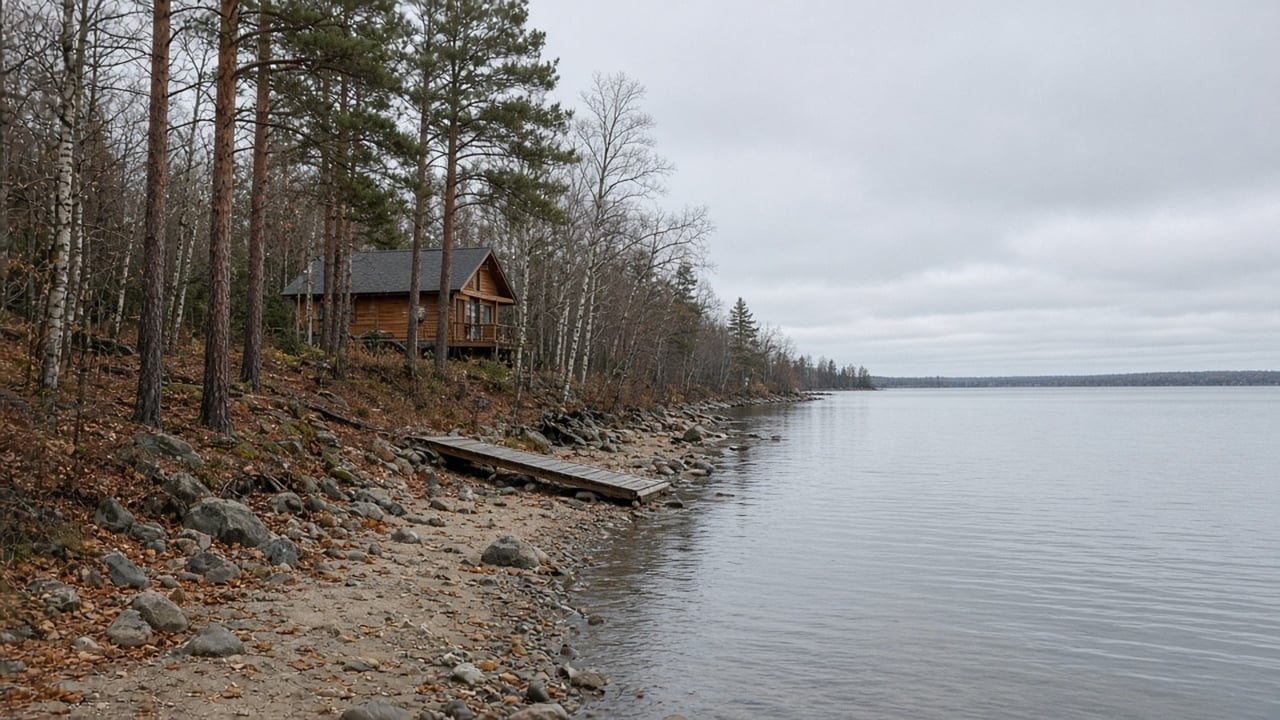
Lake Frontage on Brainerd Lake Homes: What Buyers and Sellers Should Check
November 10, 2026
November 10, 2026
Almost every lake listing around Brainerd leads with a number. One hundred feet of shoreline. Two hundred feet of frontage. Buyers compare those numbers the way they compare square footage, and sellers know it.
The trouble is that a frontage number is only a starting point. Two lots with the same footage can feel and work very differently once you stand on the shore.
Here is the direct answer. Lake frontage is the length of a property's boundary along the water, but how it is measured and how much of it you can actually use both vary. Buyers should confirm the footage with a survey or county records and walk the shoreline to judge depth, bottom, slope, and access. Sellers should know where their number came from before they advertise it. Treat any listed frontage as a claim to verify.
Frontage is the part of a lot that touches the lake. In a listing, it usually shows up as a single number in feet.
What that number describes is not always clear. It might be a straight line between two property corners. It might follow the curve of the shore. It might come from a survey, a plat map, county records, or an older listing that someone copied forward. Each of those sources can produce a different figure for the same lot.
So when you see a frontage number, the first question is simple. Where did it come from?
There is no single method that every listing uses, which is part of the confusion.
For shoreland rules, Minnesota generally ties lot width and setbacks to the ordinary high water level, the line that marks the normal reach of the water over time. Counties and cities apply those rules through their own shoreland ordinances, so Crow Wing, Cass, Aitkin, and the cities inside them can each handle details a little differently.
A licensed surveyor can tell you exactly where the lot lines meet the water and how long that boundary is. County records and plat maps can give you a reasonable estimate. A tape measure along the beach on a summer afternoon usually cannot, because water levels move and shorelines curve.
If the number matters to your decision, and on a lake home it usually does, rely on a survey or the county before anything else.
Frontage measures length. It says nothing about what that length is like.
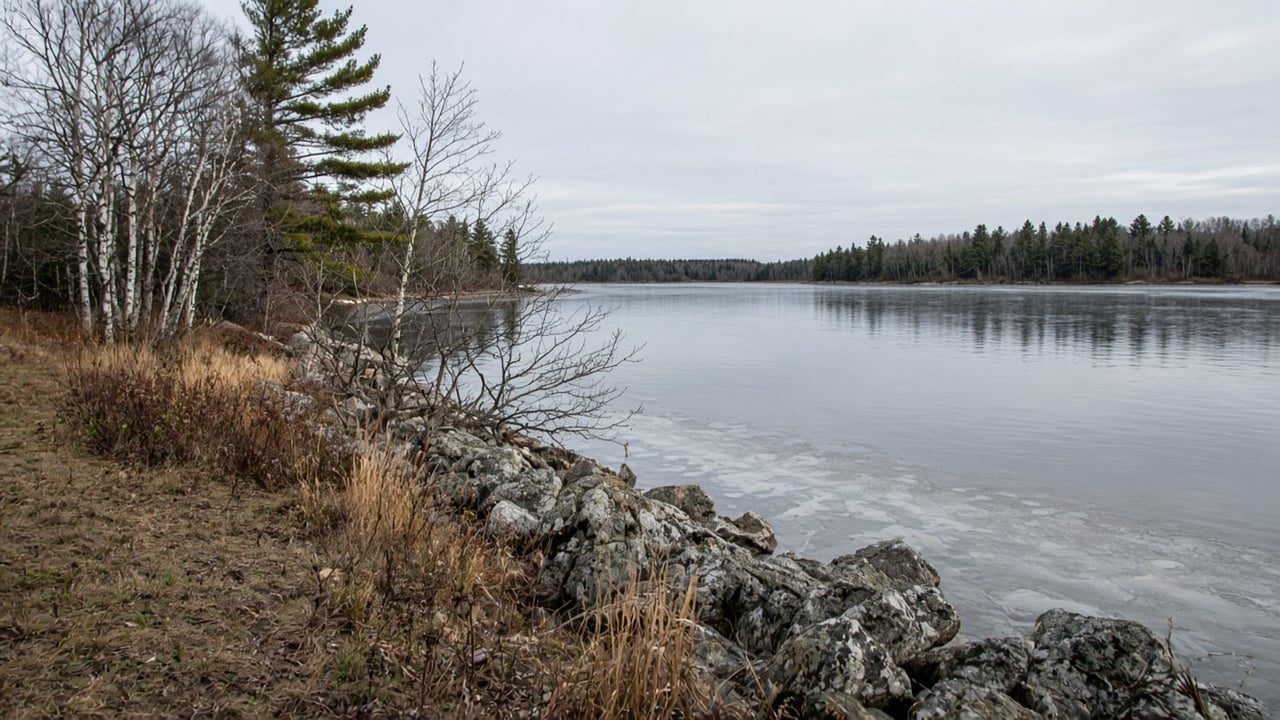
A lot on a curved point might have a modest frontage number and a wide open view in two directions. A lot at the back of a narrow bay might have more footage and feel closed in. A pie shaped lot can be wide at the road and narrow at the water, or the other way around.
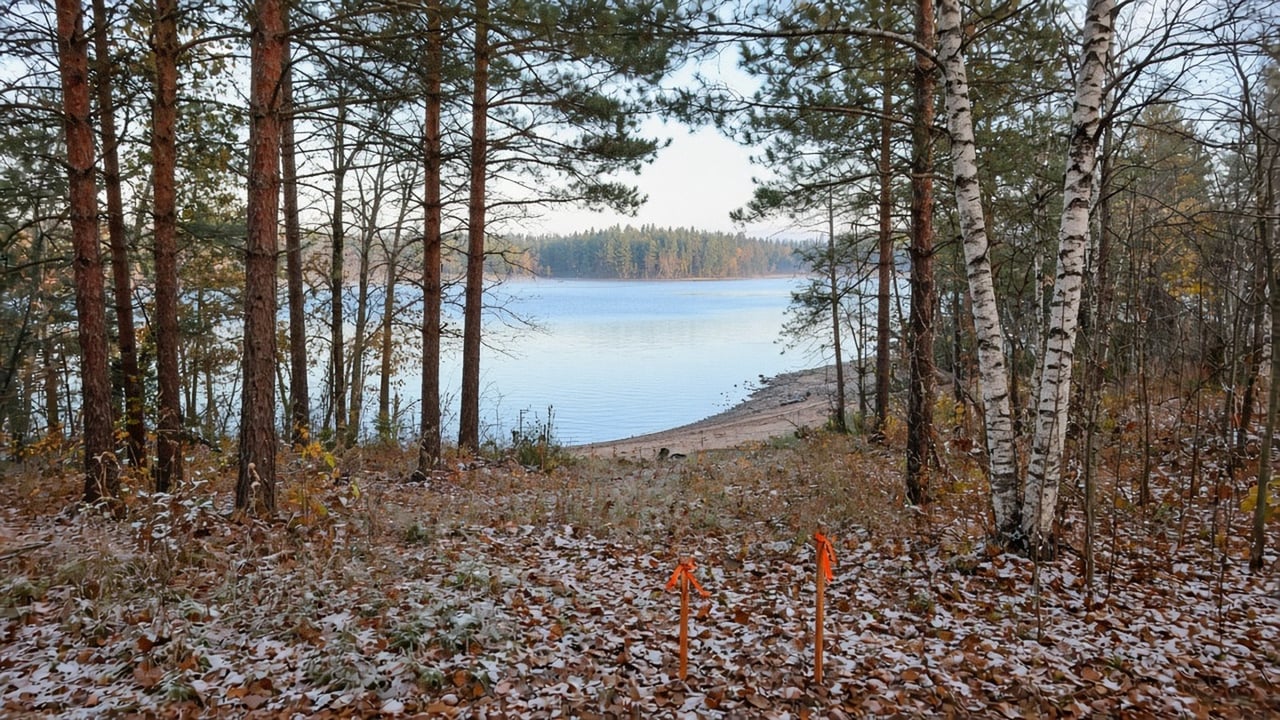
Then there is what sits along that shoreline. Picture two lots on the same lake with the same footage. One has a firm, gradual sand bottom where kids can wade out. The other drops off quickly into weeds and soft muck. On paper they match. In July they are not the same property.
That is why we always suggest standing on the shore, and in the water if the season allows, before you compare frontage numbers.
Usable shoreline is the part you can reach, swim from, dock on, or simply enjoy. It can be much less than the total.
A few things commonly cut into it:
None of these automatically make a lot a poor choice. Some buyers want a natural, wooded shoreline and plenty of privacy. The point is to know what you are buying so the price and your plans line up with the shore you will actually use.
More frontage often helps, but it is not a straight line. Quality and usability matter as much as length.
Buyers around the Brainerd lakes tend to weigh frontage together with water depth near the shore, bottom type, sun exposure, view, privacy, and how the lot slopes to the water. A shorter stretch of firm, usable shore with good sun can compete well with a longer stretch that is hard to use.
Frontage can also affect what you are allowed to do. Shoreland rules often look at lot width when deciding things like whether a lot can be split, how a structure can be placed, or whether certain improvements are allowed. If you are buying with plans to subdivide or build, ask the county or city how your specific lot's width is treated before you count on it.
Pricing and demand change often, so check current comparable sales with a local agent rather than assuming a price per foot from another lake or another year.
A short list goes a long way:
If something does not line up, it is easier to sort out before a purchase agreement than after closing.
The frontage number you publish will get checked, and a gap between your listing and the county records can slow a sale or open a hard conversation late in the deal.
A few steps help:
Accurate frontage builds trust with buyers. It also tends to keep a deal together once inspections and appraisals start.
Not every home with lake access owns its own frontage. Some properties share a lot on the water with neighbors. Some have rights to an outlot owned by an association. Some only have a path or easement to the lake.
These setups can work well, and they often cost less than private frontage. They also come with rules. You may not be able to build a private dock, store a boat lift, or use the shore however you like. Read the deed, the easement, and any association documents, and ask how the shared area is maintained and who decides what happens there.
If a listing says lake access, confirm whether that means owned frontage, shared frontage, or something else.
The boundary on paper stays put unless something legally changes it. What you see at the shore can move.
Water levels rise and fall over seasons and years. Ice can push sand and rock around. Shorelines erode, especially on banks that face prevailing winds. A beach that looks wide in late summer can look narrow in a wet spring.
If a shoreline has eroded, ask whether there is any restoration or rock work in place and whether it was permitted. Work along the shore usually needs approval, so it is worth knowing what has been done and by whom.
How is lake frontage measured on a Brainerd area lake home?
It depends on the source. A licensed survey gives the most reliable measurement along the property's water boundary. County records and plat maps give estimates. Listings may use any of these, so ask where the number came from.
Is more lake frontage always better?
Not always. Usable shoreline, water depth, bottom type, sun, view, and slope matter as much as length. A shorter, easy to use shore can be more practical than a longer one that is steep or weedy.
Should I get a survey when buying a lake home?
If the frontage number affects your price, your financing, or your plans to build, dock, or subdivide, a survey is usually worth considering. It confirms where the lot lines meet the water.
What is the ordinary high water level?
It is the line that marks the normal reach of a lake's water over time. Minnesota shoreland rules often use it as the reference point for setbacks and lot width, applied through county and city ordinances.
Does lake access mean I own lake frontage?
Not necessarily. Some properties share frontage, use an association outlot, or have an easement to the lake. Read the deed and any association documents to see what rights come with the home.
If you are comparing lake lots or getting ready to list your own, we are glad to walk the shoreline with you and help you sort out what the frontage really offers. Call or text 218-821-3312 or visit brainerdlakeshomesearch.com.
This article is general information, not legal or survey advice. Rules and records vary by county and city, so verify details for your specific property.
Stay up to date on the latest real estate trends.
Whether you're buying, selling, or just exploring your options, Noah Goedker brings local insight and honest advice to every step of the process. Let’s move forward—together.