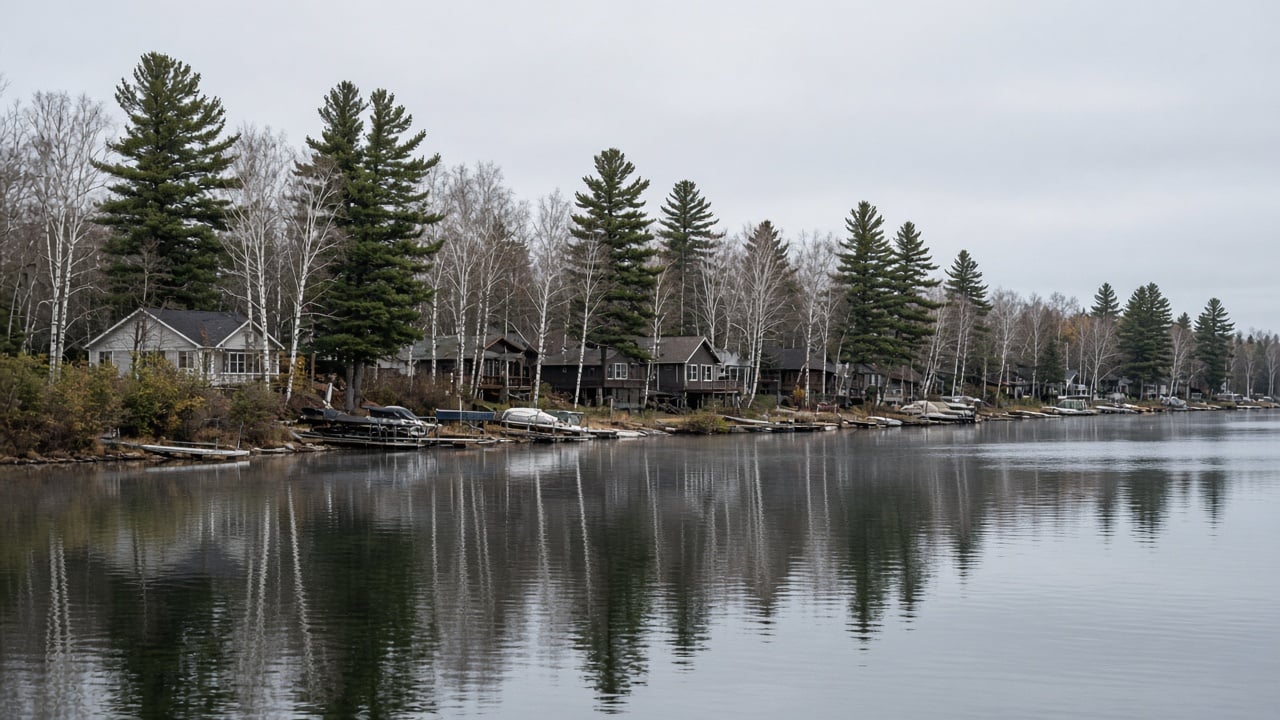
Lake Associations Around Brainerd: What Buyers and Sellers Should Ask
November 3, 2026
November 3, 2026
When you walk a lake property for the first time, most of your attention goes to the shoreline, the dock, and the view from the deck. That makes sense. But one of the most useful sources of information about the lake itself is often a group of neighbors who meet a few times a year and keep a close eye on the water.
So what is a lake association, and does it matter when you buy a Brainerd lake home? A lake association is usually a voluntary, nonprofit group of property owners who work together to protect and understand their lake. They often track water clarity, watch for invasive species, share news, and host events. Joining is typically optional. It is different from an HOA or road association, which can come with required dues and rules.
That difference is the heart of this post. Let's walk through what these groups do, how to tell them apart from mandatory associations, and what you should ask whether you are buying or selling.
Every association is a little different, because every lake is different. A small, quiet lake near Deerwood may have a handful of committed volunteers. A larger chain near Nisswa or Crosslake may have a board, committees, a newsletter, and a website. Still, most of them focus on a few common areas.
Many associations have volunteers who take regular readings during the open water season. A common example is measuring water clarity with a Secchi disk, a simple tool lowered into the water until it disappears from view. Some groups also collect samples for lab testing through state or county programs.
Over the years, these readings build a record of how the lake is doing. For a buyer, that record can tell you more than a single afternoon on the dock ever will.
Zebra mussels, starry stonewort, Eurasian watermilfoil, and other invasive species are a real concern across Minnesota. Lake associations often help with boat inspections at public accesses, volunteer search days, education for new owners, and coordination with the county and the Minnesota DNR when something is found.
Some associations also help organize treatment for invasive plants. How that work is funded and decided varies, so it is worth asking.
Lake levels can matter a great deal for docks, lifts, and shoreline. Some lakes in our area are affected by dams or outlets, and associations often serve as the place where owners hear about water levels, permit questions, ice conditions, and local issues. A good association newsletter or email list can keep you informed even when you are not at the cabin.
This is the part people tend to enjoy most. Fourth of July boat parades, loon counts, shoreline cleanups, picnics, and annual meetings are common. For new owners, especially those moving from out of the area, an association is often the easiest way to meet the people who share the lake.
This is where buyers sometimes get confused, and it is worth being clear.
A voluntary lake association is usually open to anyone who owns property on or near the lake. Membership and dues are typically optional. It generally cannot place rules on your property or require you to pay.
A homeowners association (HOA) is usually tied to the property through recorded documents. If a home is in an HOA, membership is often required, dues are often mandatory, and there may be covenants about things like building, rentals, docks, or exterior changes. HOAs are more common in planned developments, resort style communities, and some townhome or condo settings around Breezy Point, Baxter, and East Gull Lake, though they can show up anywhere.
A road association is common on private lake roads throughout the Brainerd Lakes area. Owners along a shared private road may be responsible for plowing, grading, and maintenance. Some road associations are formal with recorded agreements. Others are informal arrangements among neighbors. Either way, they affect how you get to your property in February, which is not a small detail.
One property can have all three. You might be on a lake with a voluntary lake association, in a small subdivision with an HOA, and on a private road with its own maintenance agreement. Each one deserves its own set of questions.
For voluntary lake associations, dues are often modest and go toward things like water testing, invasive species programs, newsletters, insurance for events, and sometimes contributions to treatment projects. The amount varies from lake to lake, and many groups also accept donations above the base membership.
For HOAs and road associations, the picture is different. Dues may be required, and they may change over time. Some have special assessments for larger projects like road repairs. Because these costs can affect your budget each year, you want the current numbers in writing from the association or the seller before you commit, not from memory or a neighbor's estimate.
There are a few reliable ways to find out who is active on a lake.
Keep in mind that some lakes, especially smaller ones, may not have an active association. That is not a bad sign on its own. It just means you will gather lake information from other sources.
When you are serious about a lake property, these questions can save you surprises later.
About the voluntary lake association: - Is there an active association, and how do I join? - What water quality data do they have, and how far back does it go? - Has the lake had any invasive species found, and what is being done about them? - Are there any treatment projects or plans, and how are they funded? - How does the association share news about lake levels and local issues?
About any HOA: - Is membership required with this property? - What are the current dues, and have there been recent special assessments? - Can I see the covenants, bylaws, and recent meeting minutes? - Are there rules about rentals, docks, lifts, boathouses, or building changes?
About any road association: - Is the road public or private? - Who handles plowing and maintenance, and how is it paid for? - Is there a recorded road maintenance agreement? - Has there been any disagreement among owners about the road?
Your purchase agreement and disclosures will cover some of this, and a title company can help with recorded documents. But the practical, day to day answers often come from talking with the association directly. If you plan to rent the property, ask about rental rules early, since township and county rules may also apply.
If you are selling a lake home, association information can help buyers feel confident about the lake, not just the house.
Here are a few practical ways to use it:
We always encourage sellers to point to the original source instead of making claims about the lake. That keeps your listing accurate and lets buyers do their own homework.
For most owners, we think so. Even if you only visit on weekends, the association is often the first place you hear about water levels, invasive species, and local decisions that affect your property. The cost is usually small, and the information is hard to get anywhere else.
There is also a longer view. Lake property value is closely connected to the health of the lake. Owners who take part in monitoring and prevention are helping protect something they share with their neighbors and with whoever owns the property next.
A lake association will not show up on most listing sheets, but it can tell you a great deal about the lake you are buying on or selling on. Know the difference between a voluntary association and a mandatory HOA or road association. Ask direct questions. Get documents in writing. And take a few minutes to talk with the people who know the water best.
Is a lake association the same as an HOA? No. A lake association is usually a voluntary nonprofit group of owners focused on lake health and community. An HOA is typically tied to the property through recorded documents and can require dues and enforce rules.
Do I have to join a lake association when I buy a lake home? Usually not. Most lake associations around Brainerd are voluntary. If the property is in an HOA or on a private road with a recorded agreement, those obligations may be required, so review the documents before you buy.
What is a road association on a lake property? A road association is an arrangement among owners on a shared private road to handle plowing, grading, and repairs. Some are formal with recorded agreements, and others are informal. Ask how costs are shared and who manages the work.
How can I find water quality information for a lake near Brainerd? Start with the lake association, if there is one. The Minnesota Pollution Control Agency, the Minnesota DNR, and county offices also publish lake information. Ask your agent to help you find the current sources for the specific lake.
Should sellers mention invasive species in a listing? If invasive species have been found in the lake, being honest is the better path. Point buyers to the official source so they can review the information directly. Your agent can help you handle disclosure questions properly.
Are lake association dues tax deductible? That depends on the organization and your situation. Some associations are registered nonprofits, but you should check with the association and a tax professional before assuming anything.
If you have questions about a specific lake, its association, or what to ask before you write an offer, we are happy to help. Call or text 218-821-3312 or visit brainerdlakeshomesearch.com.
Elevate Group, eXp Realty
Stay up to date on the latest real estate trends.

Whether you're buying, selling, or just exploring your options, Noah Goedker brings local insight and honest advice to every step of the process. Let’s move forward—together.