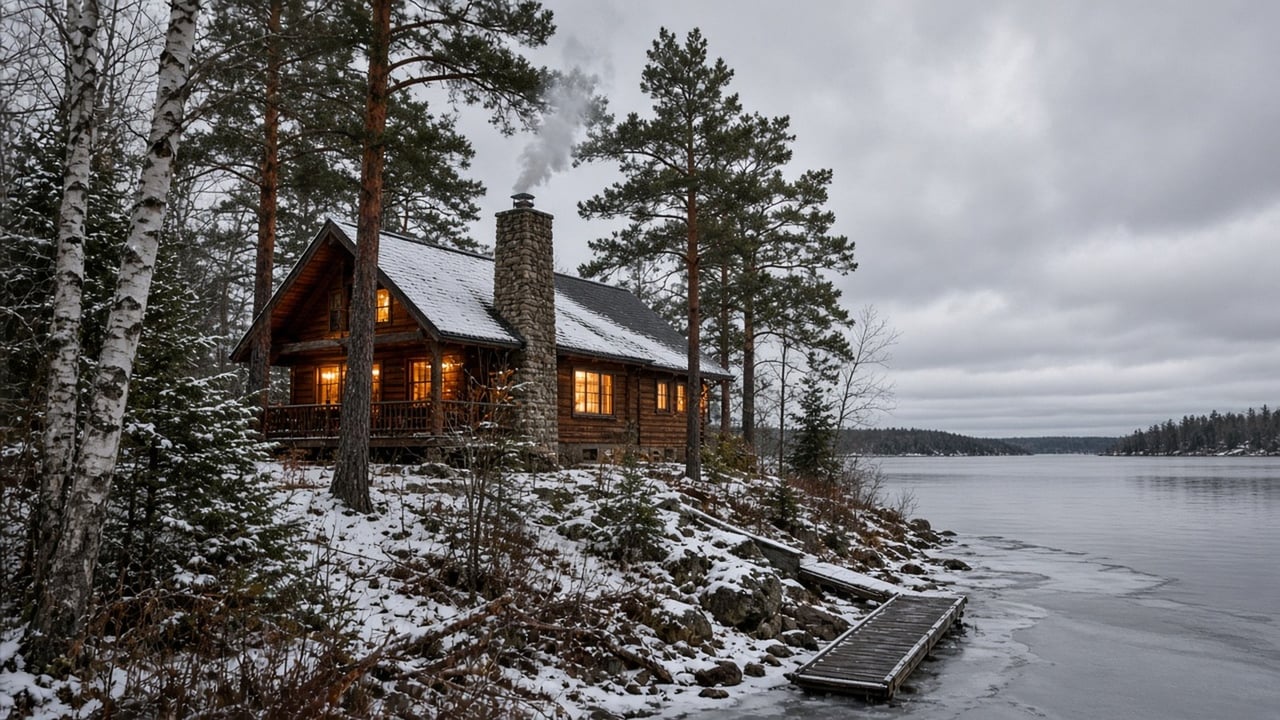
Insuring a Brainerd Lake Home: What Buyers and Sellers Should Check
November 11, 2026
Most buyers think about insurance near the end of a lake home purchase. The offer is accepted, the inspection is scheduled, and somewhere on the checklist is a line that says "get a quote."
That order works fine for a lot of town homes. It works less well on the lake. A lake property can carry details that change the price of coverage, limit which companies will write it, or send you looking for a second policy.
Here is the direct answer. Insurance on a Brainerd area lake home depends on the house and how it will be used. Heat source, roof, wiring, distance to fire service, seasonal use, docks, lifts, and any flood zone can all change the quote. Buyers should get a real quote early in the process, ideally before inspection deadlines pass. Sellers should gather the records that insurers ask for, so a buyer's quote does not stall the deal.
A lake home often sits farther from town, on a private road, with a mix of old and new systems. Many were built as summer cabins and improved in stages over the years. Each of those things is something an insurer may ask about.
None of this means lake homes are hard to insure. Plenty close every month without trouble. It means the quote is less predictable, and a surprise late in the process can squeeze your timeline.
We would rather you learn about a problem during your inspection period than three days before closing.
Questions vary by company, so treat this as a list of common topics, not a rulebook.
Roof. Age, material, and condition come up often. A roof near the end of its life can raise the premium or limit options.
Heat source. A wood stove, a fireplace insert, or an older furnace can bring extra questions. Some companies want to know about installation, clearances, and chimney cleaning.
Electrical and plumbing. Older wiring and panels, and older plumbing materials, sometimes draw attention. Cabins that were added onto over decades can have a mix.
Distance to fire service. How far the home is from a fire station and whether a hydrant or water source is nearby can matter. Rural lake roads around Crosslake, Emily, Outing, or Longville can look different on paper than a home in Baxter.
Occupancy. Whether you live there full time, use it on weekends, or rent it out changes how the policy is written.
Ask your agent which of these matter most to the companies they work with. That conversation takes ten minutes and saves a lot of guessing.
This is one of the bigger questions for lake buyers. A primary residence, a second home, and a rental can each need a different type of policy.
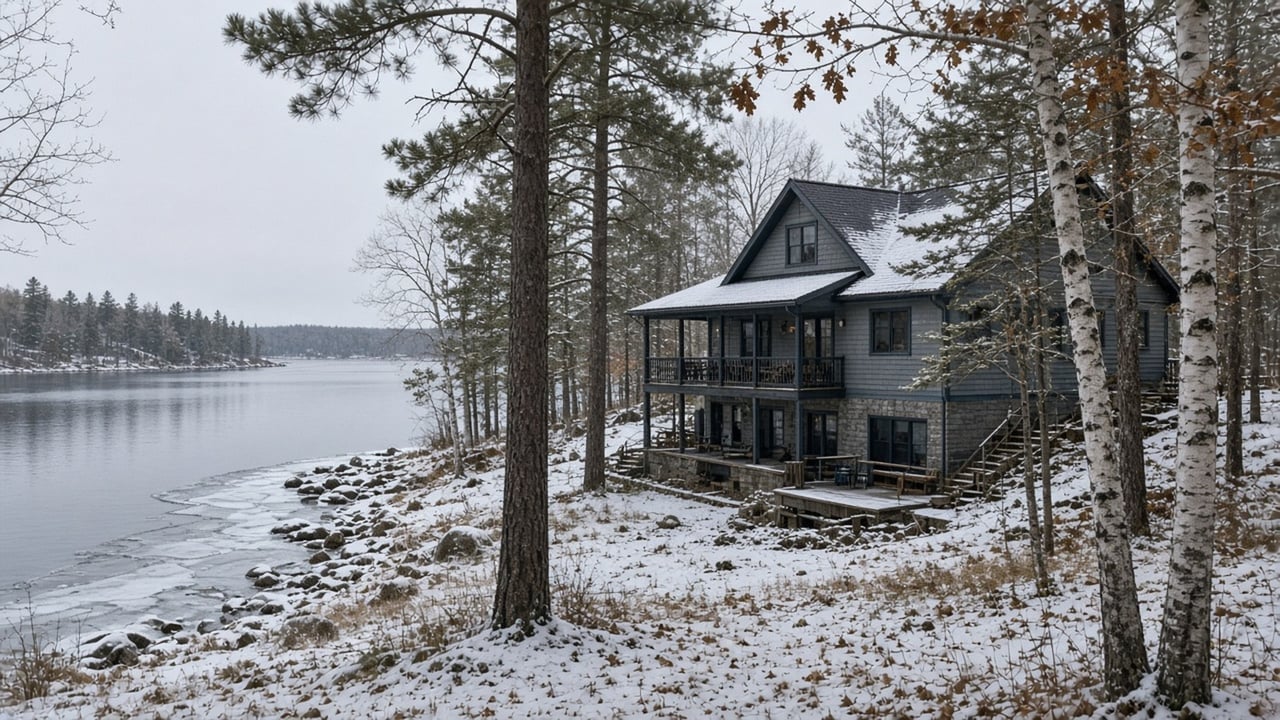
Seasonal homes often sit empty for weeks in winter. Many policies have language about vacancy or unoccupied periods, and some coverage can change if a home is left without heat or without regular checks. Frozen pipes are a common winter claim in Minnesota, so insurers care how the home is protected when you are not there.
If you plan to leave a cabin empty from November to April, tell your insurance agent exactly that. Ask what they expect for heat, water shutoff, and someone checking on the place. Get the answer in writing.
If you plan to rent the home, even a few weeks a year, raise that before you buy. Short term rental use is often handled differently than personal use, and a standard homeowners policy may not cover it.
Not always in the way buyers assume.
Docks and lifts can be treated as part of the property, as separate structures, or as personal property, depending on the policy. Damage from ice, wind, or high water may be handled differently than damage from a fallen tree. Some policies limit coverage on items that sit in or over the water.
Boats, pontoons, and personal watercraft usually need their own coverage. Do not assume your homeowners policy follows your boat out onto Gull Lake or Pelican.
Ask three plain questions. Is the dock covered? Is the lift covered? What about ice damage? If the answers are vague, ask again.
It can. Some lakeshore parcels fall partly or fully inside a mapped flood hazard area, and others sit well above the water. You cannot tell by looking at the listing photo.
FEMA flood maps are public, and your lender will check them if you are financing. If a structure is in a mapped high risk zone, a lender may require flood insurance. Standard homeowners policies generally do not cover flood, so this is a separate policy and a separate cost.
Even outside a mapped zone, a low walkout lower level close to the water is worth a second look. Lot slope and elevation matter here, and so does where the lake has reached in wet years.
Earlier than most people do.
We suggest starting the conversation as soon as you are serious about a property, and getting a written quote within your inspection period. Share the address, year built, heat source, roof age if known, and how you plan to use the home.
If the quote comes back high, or a company declines, you still have time to ask why, shop other carriers, or negotiate. If you learn it after your contingencies expire, your choices shrink.
A good local insurance agent who writes lake properties regularly is worth finding. They know which questions matter and which companies are comfortable with seasonal or rural homes.
Sellers can make this step smoother for buyers.
Gather what you have on the roof, furnace, water heater, electrical panel, and any wood stove or fireplace. Install dates, receipts, permits, and service records all help. If you have had a chimney cleaned or inspected, keep that paperwork.
Know your own claim history on the property. Buyers and their insurers may ask about past water, wind, or fire claims. Being able to explain a past claim and what was repaired keeps it from becoming a bigger question than it needs to be.
If the home has a known item that insurers tend to flag, consider addressing it before listing, or at least pricing and disclosing with it in mind. A buyer who learns about it late often asks for more than the fix would have cost.
Insurance touches most of the other lake checks we write about. Road access affects fire response. Septic and well affect water damage risk. Shoreline, docks, and ice ridges affect what sits at the water's edge. Seasonal or year round construction affects how the home handles winter.
When you look at a lake home this way, the insurance quote becomes one more piece of evidence about the property. It tells you something about the house, not just the cost of owning it.
Premiums and underwriting rules change, and they differ by company. Use this as a checklist for questions, then verify the answers with a licensed insurance agent for the specific property.
Is lake home insurance more expensive than insurance on a home in town? It can be, but not always. Distance to fire service, heat source, roof age, waterfront structures, and seasonal use can all raise or lower a quote. The only reliable number is a written quote for that specific property.
Can I insure a seasonal cabin in the Brainerd Lakes Area? Yes, many companies write seasonal and second home policies. Coverage often depends on how the home is heated and checked during the months it sits empty, so be clear with your agent about your plans.
Does homeowners insurance cover my dock and boat lift? It depends on the policy. Some cover docks and lifts with limits, some exclude certain causes such as ice, and boats usually need separate coverage. Ask your agent directly and get the answer in writing.
Do I need flood insurance on a Minnesota lake home? If a structure is in a mapped high risk flood zone and you have a mortgage, your lender may require it. Standard homeowners policies generally do not cover flood, so ask about it even if the home sits outside a mapped zone.
When should I get an insurance quote when buying a lake home? Start early and get a written quote before your inspection or other contingency deadlines pass. That leaves time to shop carriers or negotiate if the quote is higher than expected.
What can a seller do to help with a buyer's insurance quote? Have records ready for the roof, heating system, electrical, water heater, and any wood stove, along with permits and service history. Be prepared to explain any past claims and the repairs that followed.
If you are buying or selling a lake home around Brainerd, we are happy to walk through the questions that come up before closing, insurance included. Call or text Elevate Group at 218-821-3312, or start your search at brainerdlakeshomesearch.com.
Stay up to date on the latest real estate trends.
Whether you're buying, selling, or just exploring your options, Noah Goedker brings local insight and honest advice to every step of the process. Let’s move forward—together.