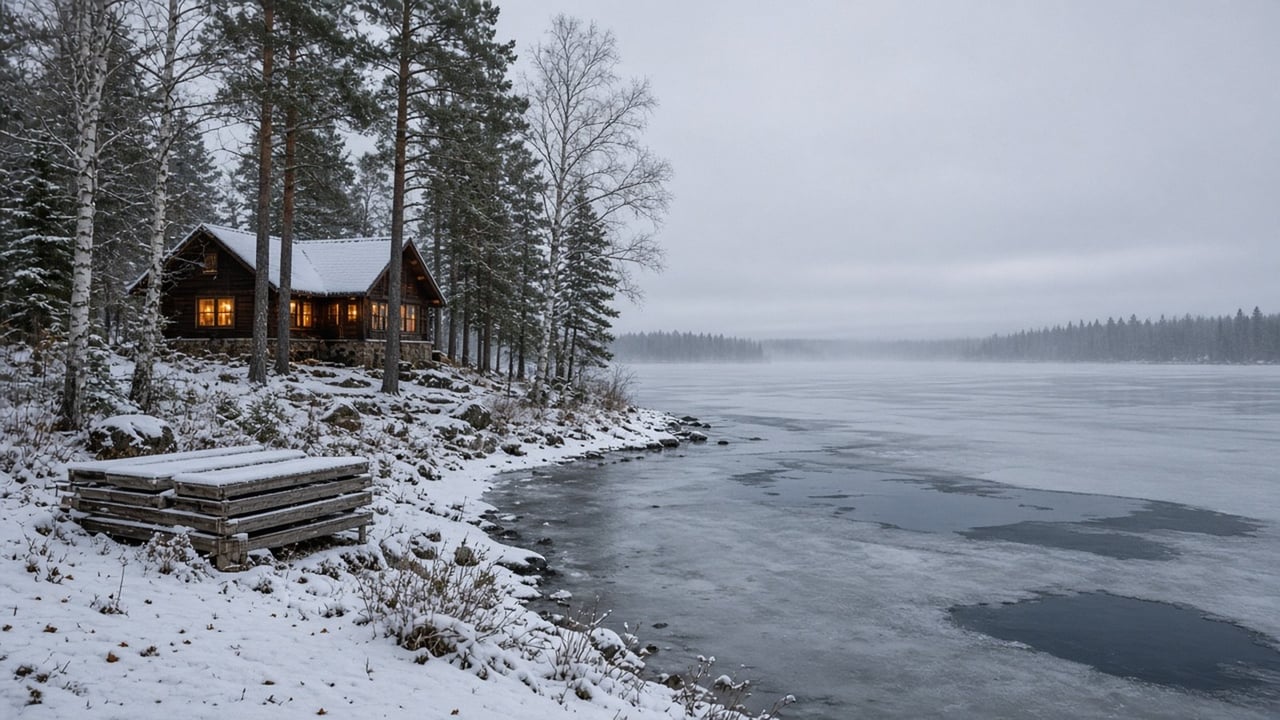
Buying a Lake Home Around Brainerd in Late Fall and Winter: What You Can Still Check
November 1, 2026
The docks are out, the boats are wrapped, and most of the lake is quiet. That does not mean lake home shopping stops. Every year we work with buyers who tour lakeshore in November, December and even January, and plenty of them end up very happy with what they bought.
The catch is simple. Snow and ice cover some of the things that matter most on lake property. You can still buy well in the off season. You just have to know what to look for, what to ask for, and what to verify later.
Yes. You can tour, write an offer and close on a lake home in late fall or winter around Brainerd. The key is replacing what you cannot see with documents, photos, and inspections timed for the season. Ask the seller for summer photos of the shoreline and dock, records for the septic and well, and utility history, and build realistic inspection contingencies into your offer.
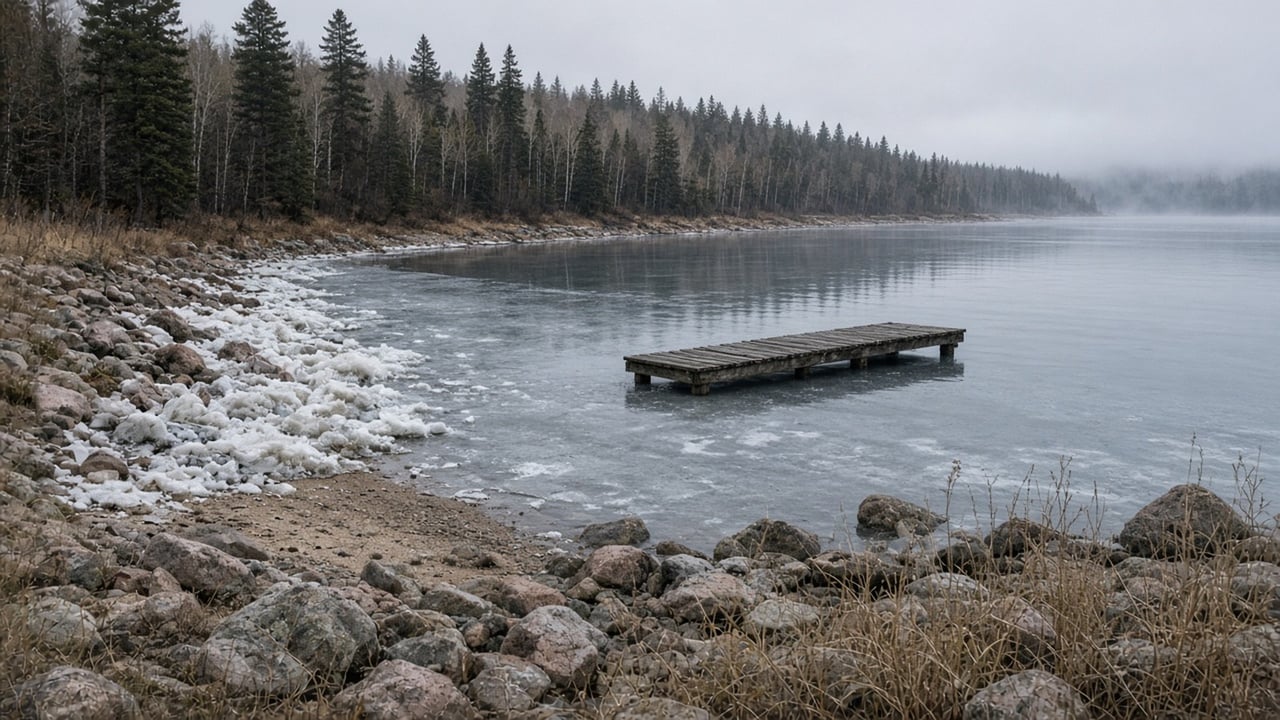
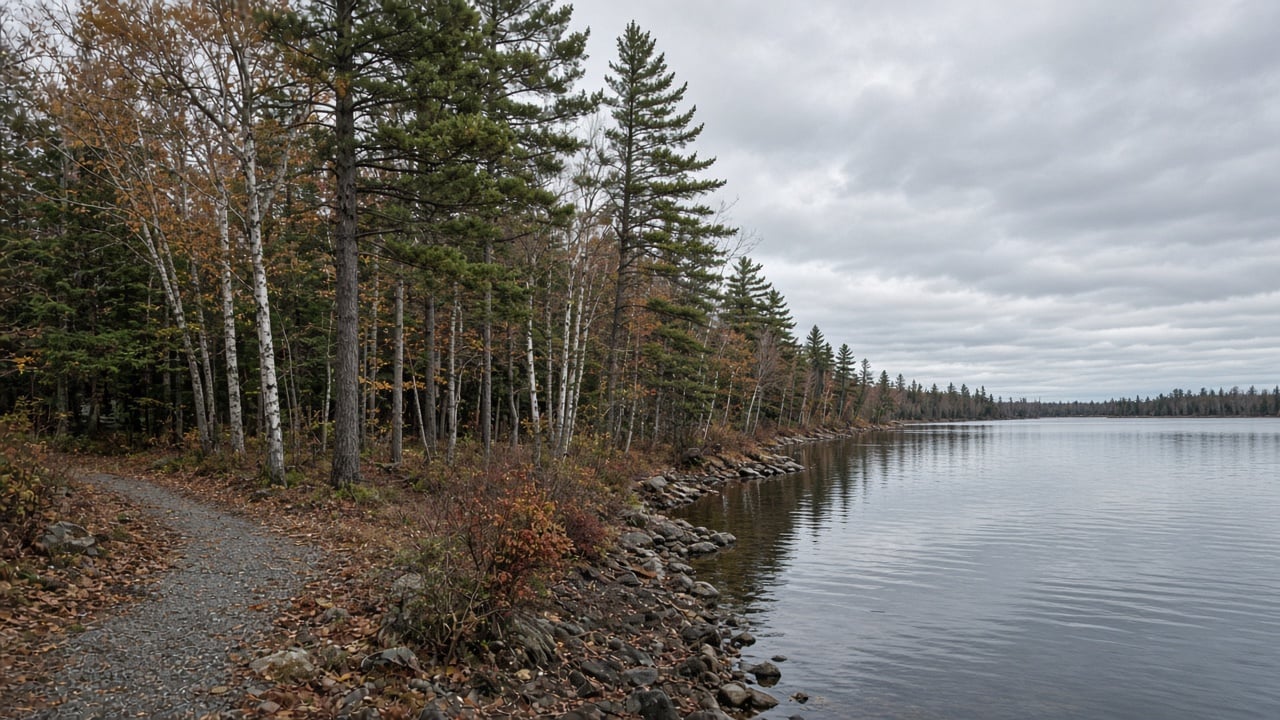
The shoreline is the big one. Under snow and ice you cannot easily judge the bottom, how weedy the frontage gets in July, or how quickly the water gets deep. Those details shape how you will actually use the lake, whether that means swimming off the end of the dock or keeping a pontoon in front of the cabin.
Elevation and slope are also tricky. A blanket of snow softens grade changes. A lot that looks gentle in December may have more steps down to the water than you expect. Drainage patterns, wet spots and erosion along the bank are easier to miss.
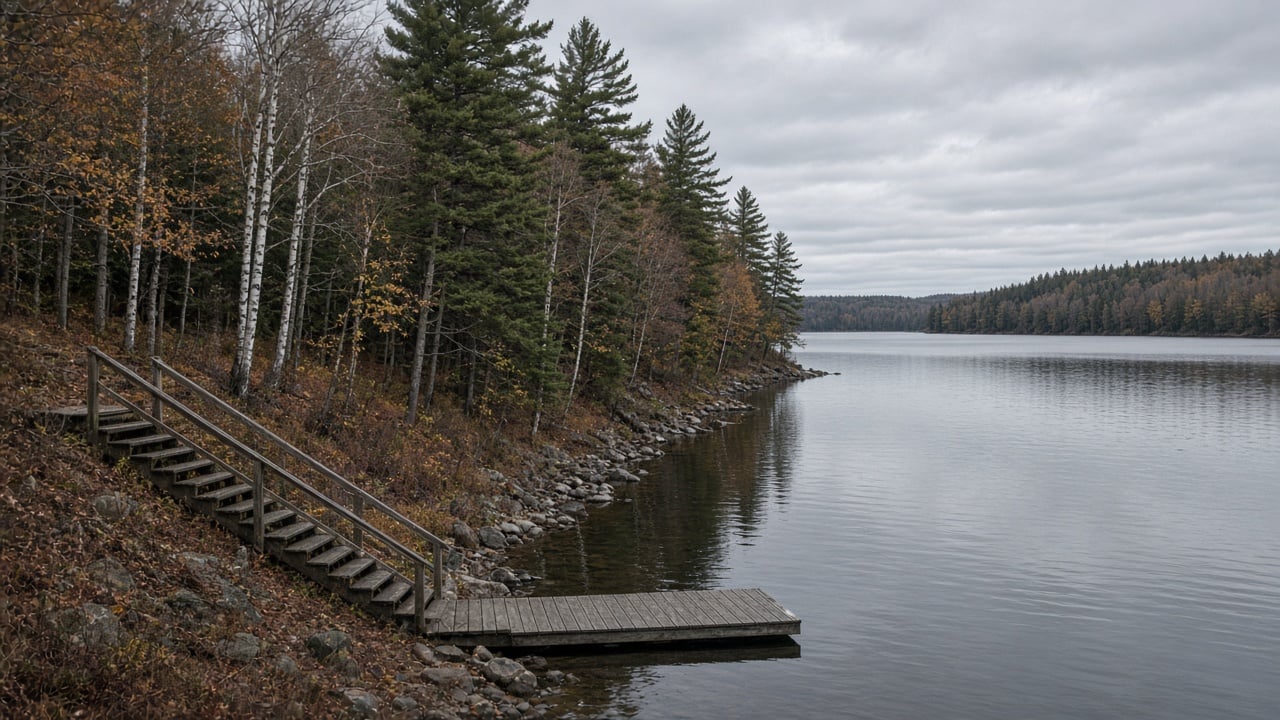
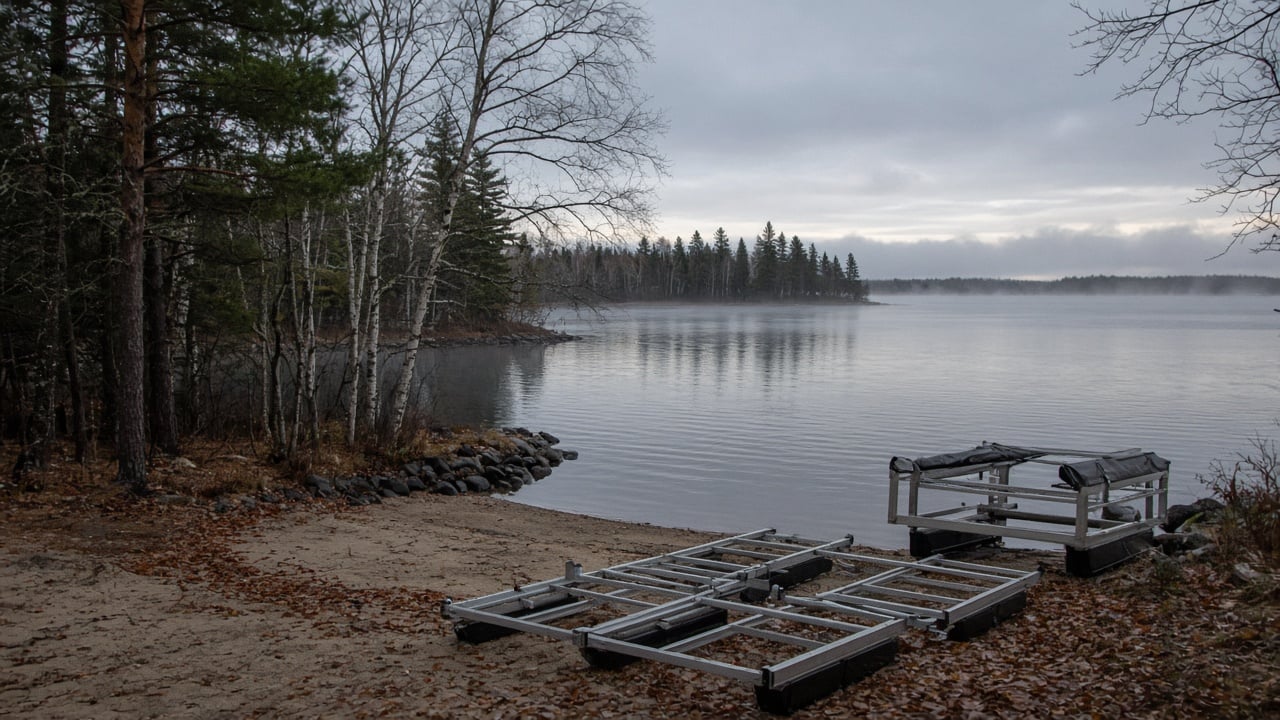
Landscaping, the condition of a seawall or riprap, and the state of a boat lift or shore station can be partly or fully buried. So can septic covers, well heads and the outline of a drain field.
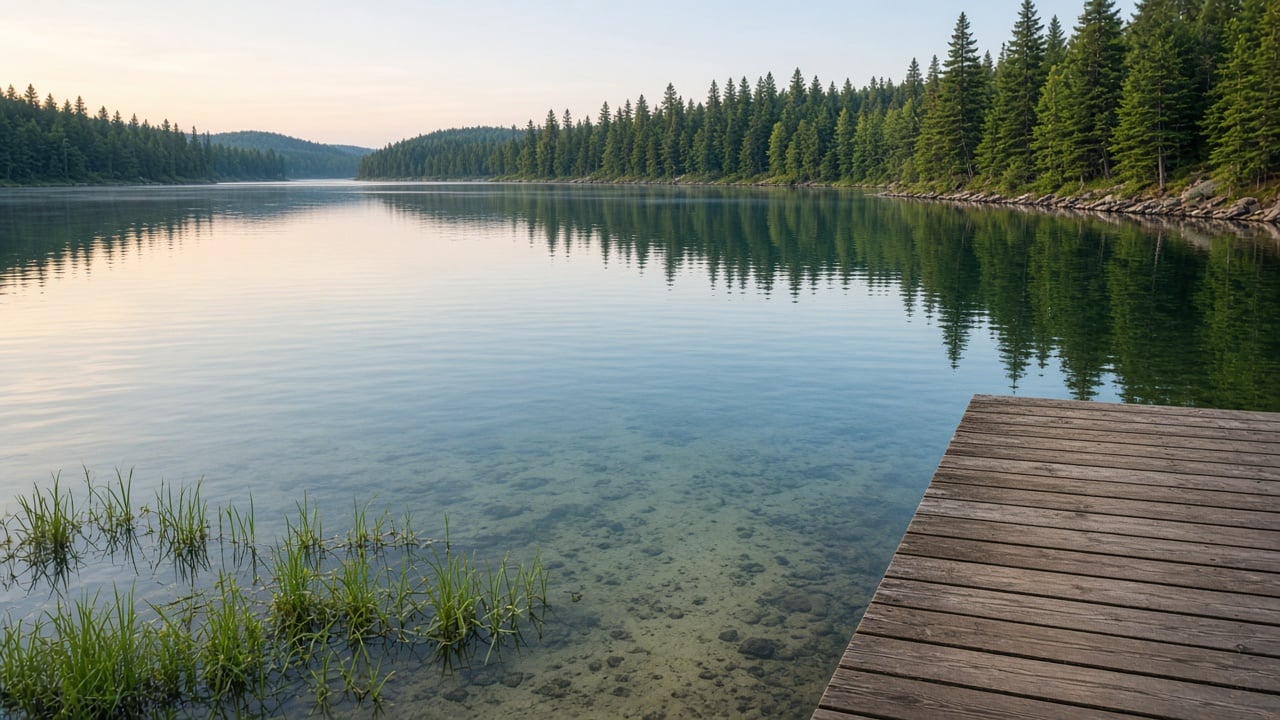
Start by asking the seller for photos and video from summer. Many owners have years of pictures from the dock or the beach. Those images tell you a lot about water clarity, weeds, and how the frontage looks in season.
Next, look at public resources. The Minnesota DNR LakeFinder tool has depth maps and survey information for many area lakes. Lake associations around Crosslake, Nisswa, Pequot Lakes and other communities often share water quality reports and notes on aquatic invasive species.
Finally, walk it when you safely can. Early in the season, before ice is solid, you can often still see the shoreline from the bank. Never walk out on new ice to look at frontage. If the timing allows, some buyers schedule a second look after ice out before their contingencies expire.
Septic and well questions do not go away because the ground is frozen. They get a little more involved.
Ask for the most recent septic compliance inspection, pumping records, and the system design if the county has it on file. Ask for well records and any past water test results. In Crow Wing County and surrounding counties, a compliance inspection is often required when a property sells, but rules and timing vary by county and situation, so confirm the current requirements early.
Some septic inspections are harder to complete when the ground is frozen or snow covered. In some cases an inspection can be done in winter, and in others it may need to wait or come with conditions. Talk with your agent and a licensed inspector about timing before you write the offer, so your contingency dates are realistic.
Winter actually helps here. You get to see how the house handles cold weather.
Find out if the home is being lived in, heated and unoccupied, or fully winterized. A fully winterized cabin may have the water shut off and antifreeze in the lines, which makes plumbing and fixtures harder to test. Ask the seller whether water can be turned on for the inspection, and who handles winterizing again afterward.
Look at how the heat performs on a cold day. Ask for recent heating bills, propane delivery history, or electric usage. Check for frost on interior walls, ice dams on the roof, and drafts around windows and doors. Those are useful clues you would not get in July.
Yes, and that is one real advantage of an off season showing. You see the road the way it actually works when the weather turns.
Notice how well the road and driveway are plowed, whether the road is public or private, and how steep the last stretch down to the lake is. Ask who plows, how often, and what owners paid last season. If you plan to use the home year round, this matters as much as anything inside the house.
There can be. Off season buyers often face fewer competing showings. Sellers who listed in fall sometimes want to settle their plans before the holidays or before spring. You may get more time with the property and more attention from the seller.
That does not mean every home is a deal. Pricing and inventory change often around the Brainerd Lakes Area, so verify current numbers with your agent rather than assuming winter means lower prices. What winter does give you is time to think, compare and ask questions without the pace of a busy summer market.
Every situation is different, but buyers commonly think about a few things.
An inspection contingency with enough time to schedule specialists who are busier at the end of the year. A septic contingency that fits what is actually possible with frozen ground. A well water test contingency. A survey or boundary review if the lot lines or shoreline footage are unclear.
Some buyers also negotiate access for a follow up visit after ice out, or written assurances about the dock and lift. Your agent and, when needed, a real estate attorney can help you decide what fits your purchase.
If you are selling a lake home around Brainerd, Baxter, Crosslake or Nisswa this winter, help buyers see what the snow is hiding.
Gather your best summer photos and drone images of the shoreline. Pull together septic records, well tests, utility bills and a list of updates with dates. Keep the driveway and a path to the house plowed and shoveled. Keep the heat on at a comfortable level if the home is not winterized, and make it clear how showings and inspections will work if it is.
Buyers who can picture July and trust your records are much more comfortable moving forward in January.
We know which lakes have useful public data, which counties handle septic inspections in which ways, and which questions tend to come up in an off season sale. We also know how to read a property under snow, and when it makes sense to bring in an inspector, surveyor or attorney.
Our goal is the same in every season. You should understand the lake, the lot and the house before you sign, not after the snow melts.
Is it a good idea to buy a lake home in winter?
It can be. You may face less competition and see how the home and road handle cold weather. You will need to rely more on seller photos, records and well timed inspections for the shoreline and septic.
Can a septic inspection be done in winter in Minnesota?
Sometimes. Frozen or snow covered ground can make some inspections harder or delay them. Confirm timing with a licensed inspector and the county before you set your contingency dates.
How can I see the shoreline if the lake is frozen?
Ask the seller for summer photos and video, check the Minnesota DNR LakeFinder for depth and survey information, and look for lake association reports. Never walk on new or unsafe ice to inspect frontage.
What if the cabin is fully winterized?
Ask whether the seller will turn the water back on for inspections and who will winterize it again afterward. Without water running, plumbing and fixtures are hard to test.
Are lake homes cheaper in winter?
Not automatically. Pricing and inventory change often, so check current local data with your agent instead of assuming a seasonal discount.
Should I plan a visit after ice out?
If timing allows, a spring visit can be helpful. Some buyers build that into their timeline or negotiate written assurances about the shoreline, dock and lift.
Whether you are buying or selling, we are happy to walk through shoreline, septic, access and everything else that comes with lake property in the off season. Call or text me at 218-821-3312 or visit brainerdlakeshomesearch.com.
Noah Goedker
Elevate Group | eXp Realty
Stay up to date on the latest real estate trends.
Whether you're buying, selling, or just exploring your options, Noah Goedker brings local insight and honest advice to every step of the process. Let’s move forward—together.