Water Clarity, Weeds, and Lake Bottom: What Brainerd Area Buyers and Sellers Should Know
November 5, 2026
Two lake homes can sit on the same lake, a mile apart, and feel like they are on different lakes. One has a firm sand bottom and clear water off the end of the dock. The other has soft bottom, a thick weed bed, and a swimming area that nobody swims in.
Here is the short answer. Water clarity, weeds, and the lake bottom shape how you actually use a lake home, and they affect resale. Buyers should look at the frontage itself, not just the lake name. Walk in, look down, and ask questions. Sellers should know their frontage honestly and describe it plainly. The lake gets the attention. The frontage decides the summer.
Because lakes are not uniform. A large lake around Nisswa, Crosslake, or Breezy Point can have sandy points, rocky stretches, mucky bays, and weedy shallows all on the same shoreline.
Buyers often shop by lake first. That makes sense. But once you narrow it down, the question changes from "Is this a good lake?" to "Is this a good spot on this lake?" Those are different questions with different answers.
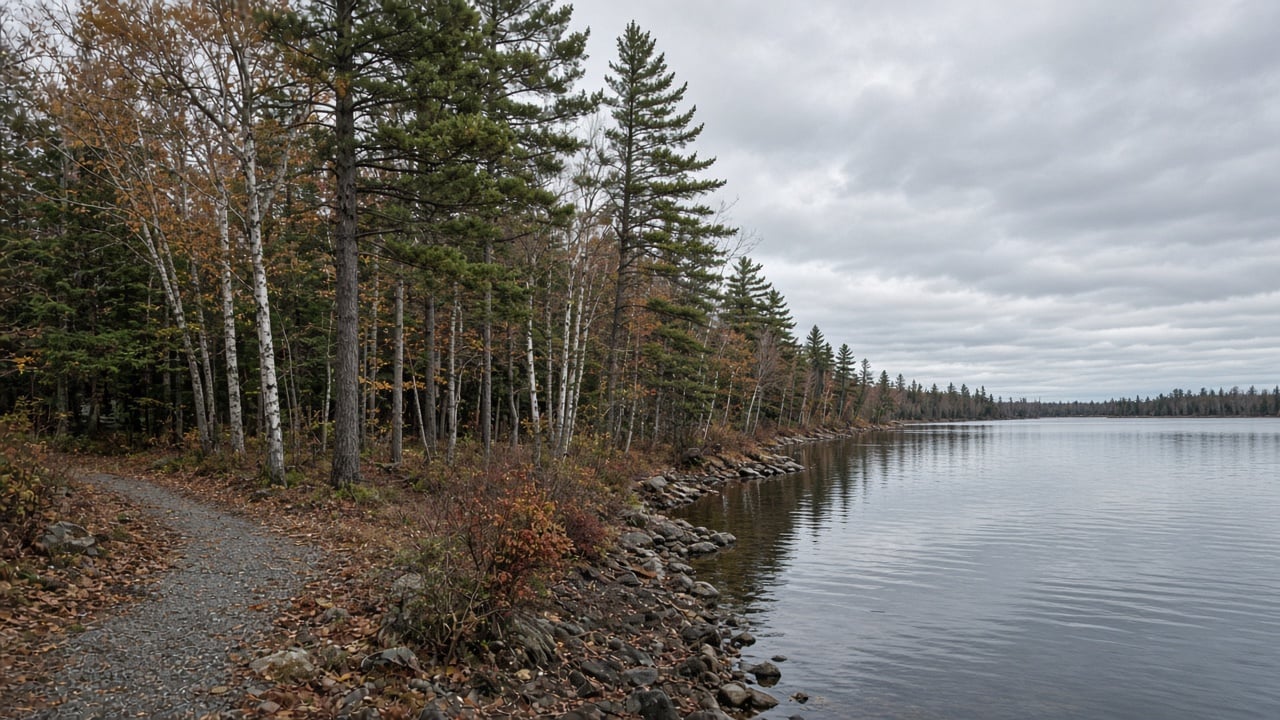
Bays tend to be calmer and warmer, which some people love. They can also be weedier and softer on the bottom. Open frontage tends to be firmer and clearer, with more wind and more waves. Neither is wrong. It depends on what you want to do with the water.
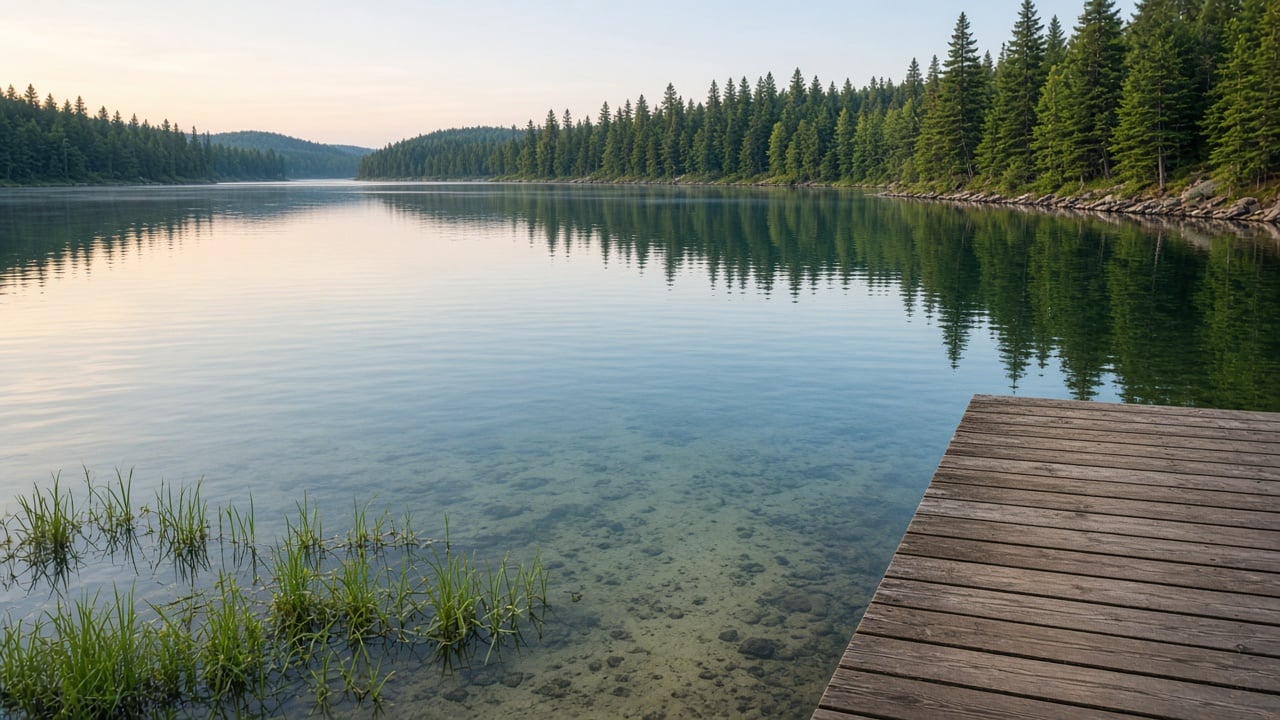
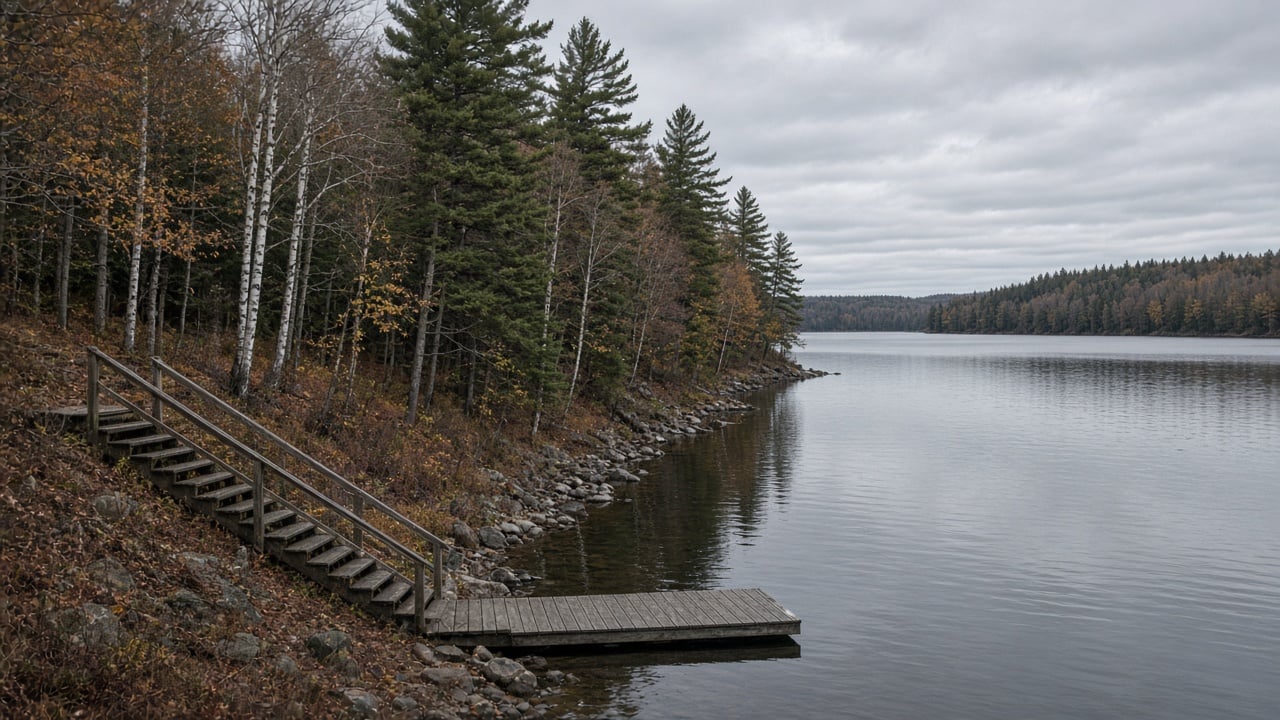
Look straight down off the end of the dock on a calm day. If you can see the bottom in a few feet of water, that tells you something. If you cannot see your feet at knee depth, that tells you something too.
Clarity changes through the season. Water often looks clearest in spring and can get greener in late summer as it warms. A showing in August and a showing in May can give very different impressions of the same frontage. If you are looking in late fall or winter, ask the seller what the water looks like in July.
Minnesota agencies and many lake associations track clarity over time. If the lake has an association, ask whether they monitor water quality. Long term trends are more useful than one look on one day. Clarity numbers change from year to year, so treat any figure as a starting point to verify, not a promise.
Some weeds are normal and healthy. Aquatic plants hold the bottom in place, shelter fish, and are part of how a lake works. A frontage with zero vegetation is not always a better lake. It may just be a windier spot.
The real questions are how much, where, and what kind.
How much: Is there a thin scattering near shore, or a dense mat you would have to wade through to swim?
Where: Is it right at the dock, or out past where you would swim and moor a boat?
What kind: Native plants are one thing. Aquatic invasive species are another. Minnesota has ongoing concerns with species like Eurasian watermilfoil and zebra mussels, and individual lakes are listed as infested when they are confirmed. Ask whether the lake has any known invasive species and whether the association has a management plan.
Also know that removing aquatic plants is regulated in Minnesota. You cannot simply clear a big area because you want a beach. Depending on the size and method, a permit may be required. Check with the Minnesota DNR before you plan on changing the frontage.
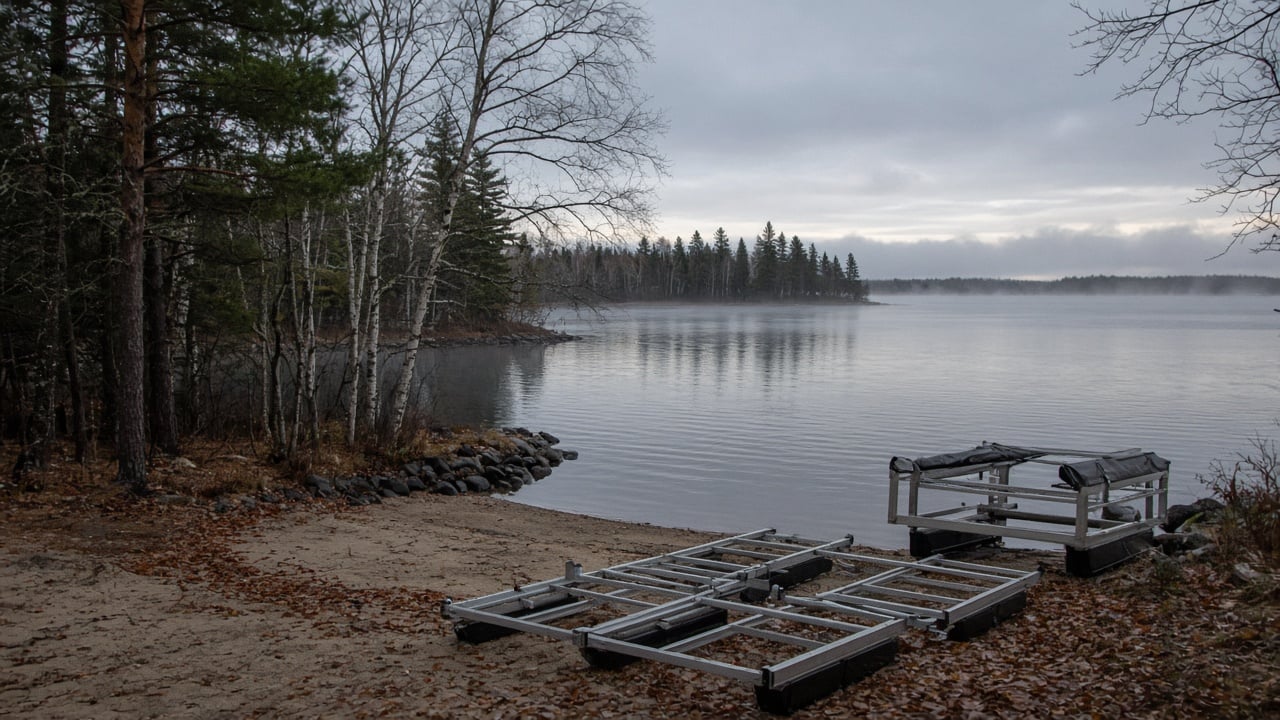
Yes, and buyers notice it fast. A firm sand bottom is what most families picture. It is easy to walk on and easy to swim from. Rock can be fine for boating and fishing but less pleasant barefoot. Soft muck is the one that changes how people use the water.
The best way to know is to get in. If it is swim season, wade out. If it is not, ask the seller directly and look at the shallows from the dock. Water shoes and a few minutes in the lake have saved buyers from a lot of regret.
Some owners improve a soft bottom over time. Like plant removal, any work below the waterline can require permits, so do not assume it is a simple fix.
Buyers pay for usable frontage. A level lot with a sand bottom and clear water tends to draw more interest than a steep lot with a weedy, soft entry, even on the same lake. That is not a rule with a fixed number attached. It is a pattern you see when the same buyers tour both.
For sellers, that means being specific. "Sandy bottom, good swimming off the dock" is a real selling point. If your frontage is better for fishing than swimming, say so. The right buyer for a quiet, weedy bay that holds fish is out there. You just want them to find you, instead of disappointing someone who wanted a beach.
For buyers, it means pricing in what you will live with. If the frontage does not fit how you use the lake, a lower price may not be a bargain.
A short list helps:
What is the bottom like at the dock and swim area?
How does the water look in mid summer?
Are there weed beds near the dock, and do they change through the season?
Does the lake have any known aquatic invasive species?
Does the lake association monitor water quality or manage weeds?
Has the owner done any plant removal or shoreline work, and was it permitted?
Most sellers will answer honestly. The ones who have owned the place for years usually know exactly what July looks like.
Know your frontage and show it well. If you are listing in summer, take photos and video of the water on a calm, sunny day. If you are listing off season, use photos from summer that show the shoreline and swim area honestly.
Gather what you know: association reports, any permits for past work, and how you have used the frontage. Buyers trust specifics. They also trust sellers who tell them the weeds are thick in August before they find out on their own.
Do not oversell. Calling a soft bottom "sandy" will come out at the first showing in July, and trust is hard to get back once it is gone.
Often. Anglers frequently prefer weed edges because that is where fish are. People who mostly boat may not care much about the bottom at all. A quiet bay with plants can also be more sheltered in wind.
The goal is not to find the perfect frontage. It is to find the one that matches how you will actually use it, at a price that reflects it.
Can I remove weeds in front of my lake home in Minnesota?
Limited removal may be allowed, but aquatic plant removal is regulated by the Minnesota DNR, and larger areas or certain methods require a permit. Check the current rules before you start.
Does water clarity change during the year?
Yes. Many lakes look clearest in spring and early summer and get greener in late summer. A single showing is a snapshot, so ask about the whole season.
How do I find out if a lake has invasive species?
The Minnesota DNR keeps a list of infested waters, and many lake associations track this too. Ask the seller and check the current list before you buy.
Is a sandy bottom worth more?
Usable frontage tends to draw more buyer interest, and a firm sand bottom is usually easier to use. Value depends on the whole property, so there is no fixed premium.
Should I look at a lake home in winter if I care about the bottom?
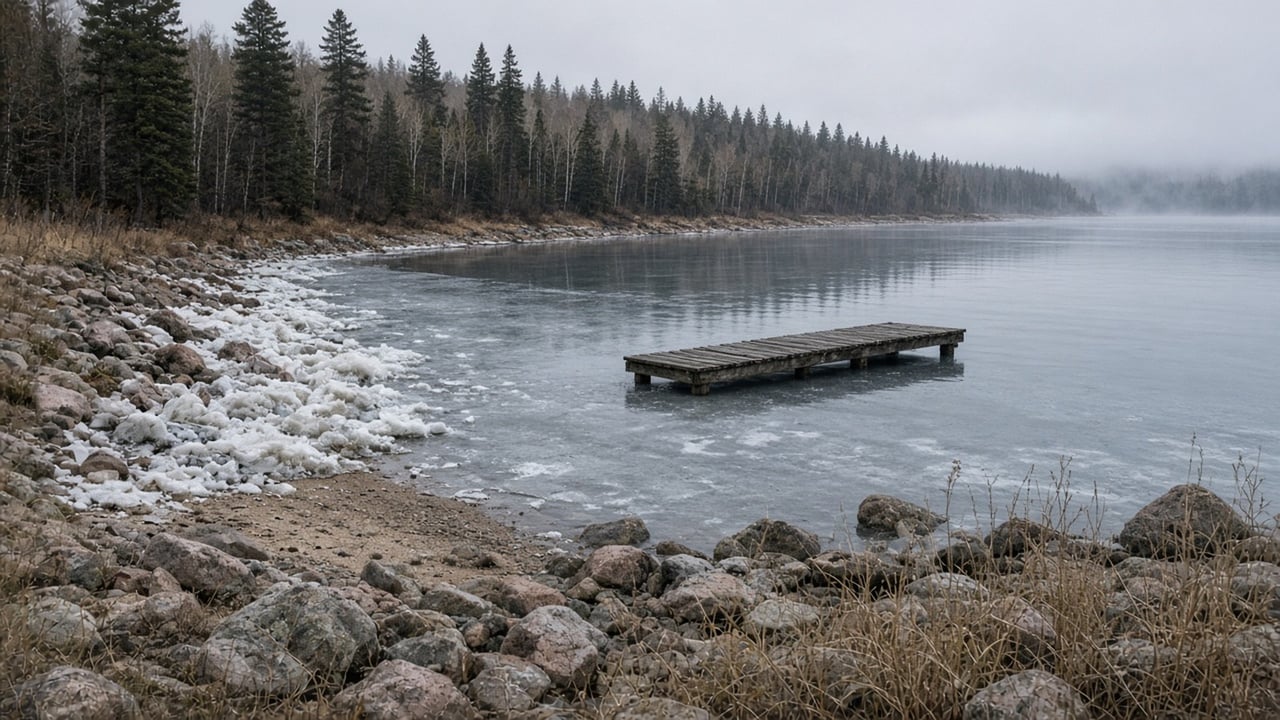
You can, but you will not see the bottom under ice. Ask the seller for summer photos, ask direct questions, and if possible plan a follow up look after ice out.
We spend a lot of time on these shorelines, and we are happy to help you sort out which spots fit how you want to live. Call or text 218-821-3312 or visit brainerdlakeshomesearch.com.
Market conditions, regulations, and lake data change often, so verify current details before making decisions.
Stay up to date on the latest real estate trends.
Whether you're buying, selling, or just exploring your options, Noah Goedker brings local insight and honest advice to every step of the process. Let’s move forward—together.